The Science of Star Wars, Seth Shostak, Dec 16
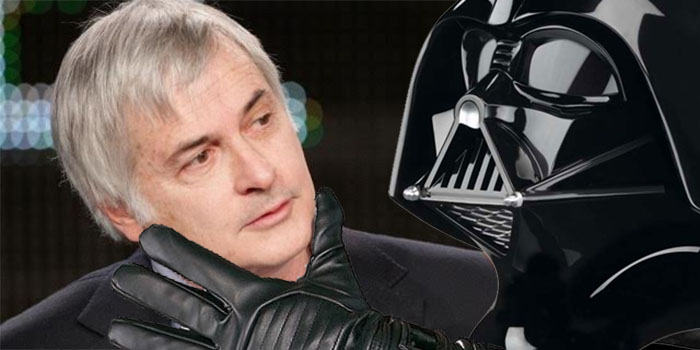 Only a heartless curmudgeon would analyze Star Wars: The Force Awakens for its science mistakes. But only a very special Caltech PhD astrophysicist (who makes an honest living hunting for ET!) could help us to enjoy and understand the science beneath the Star Wars world. Kindly check your light saber at the door, and join the SETI Institute’s Dr. Seth Shostak as he explores—with great humor and insight—everything from Mos Eisley cantina diversity to the jump to light speed. As The Force awakens, so will our appreciation of science.
- WHAT: The Science of Star Wars
- WHO: Seth Shostak, Senior Astronomer & Director, Center for SETI Research
- WHEN: 7:00 PM, Wednesday, December 16, 2015
- WHERE: SoMa StrEat Food Park, 428 – 11th Street, San Francisco, CA 94103
http://www.somastreatfoodpark.com/ Map: https://goo.gl/maps/wURbeYSER7r - HOW: Reserve preferred seating with Eventbrite, below. Produced in partnership with Ask a Scientist http://askascientistsf.com
- WHY: Because we’re curious creatures.
——————————–
Wonderfest works every day to promote the scientific outlook. For as little as $1/month, why not become a Wonderfest Patron? As the Medici family were patrons of popular art in old Italy, you can become a patron of popular science and rationality in the modern Bay Area. (And you’ll get that tax-deduction that the Medici never did!) Please become a regular supporter of Wonderfest, and help enlarge the concept of scientific community.
Become a Wonderfest Patron: http://www.patreon.com/wonderfest
Make a one time donation: http://wonderfest.org/donate
If you shop at Amazon.com, why not shop at AmazonSmile? It doesn’t cost you a dime extra, selection and prices are the same, and a small percent supports Wonderfest and science!
http://amazon.wonderfest.org.
Watch more videos: http://videos.wonderfest.org
Join us on:
http://facebook.com/wonderfest
http://twitter.com/wonderfest
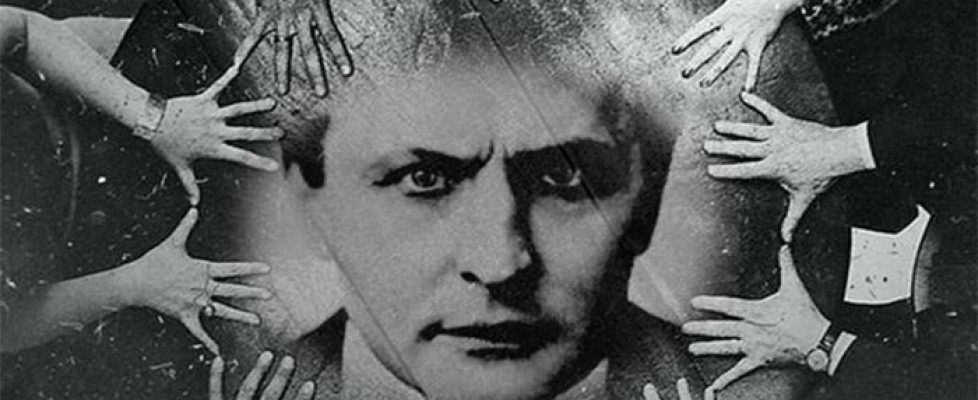
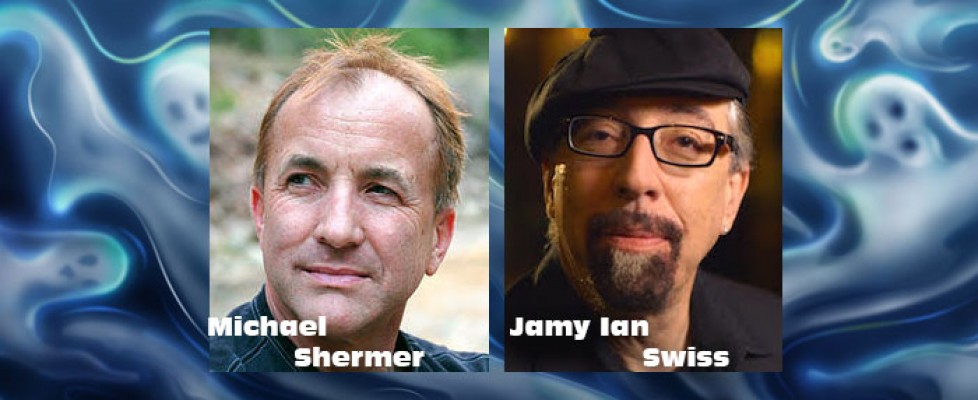
 Halloween is the perfect day for a deep and magical dialogue on the supernatural! Michael Shermer is the founder of The Skeptics Society, and monthly contributor to Scientific American magazine. He has written over a dozen books, including The Moral Arc and Why People Believe Weird Things, and he has appeared on The Colbert Report, Dateline, and Charlie Rose. Jamy Ian Swiss is a world-renowned magician and skeptic. He has been featured in print in The New Yorker and Vanity Fair, and on television on 48 Hours, PBS’s NOVA, The Today Show, AND he was a comedy writer and chief magic consultant for Penn & Teller. Please join Shermer and Swiss as they discuss the supernatural — on Halloween — with science and skepticism in mind.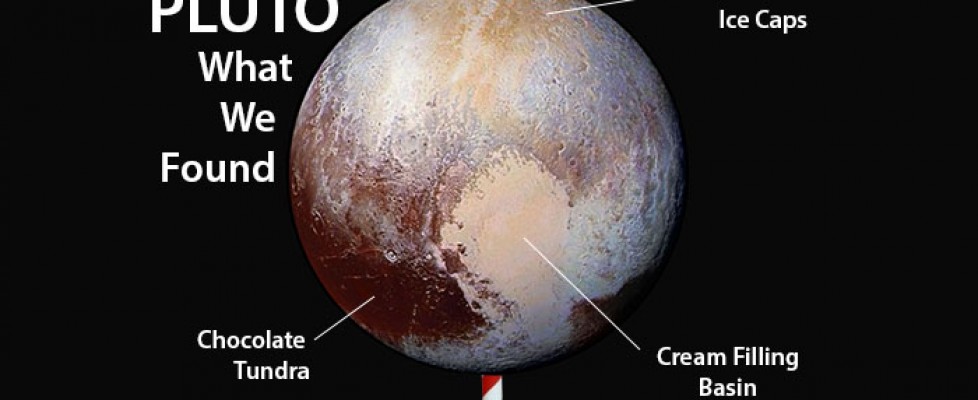
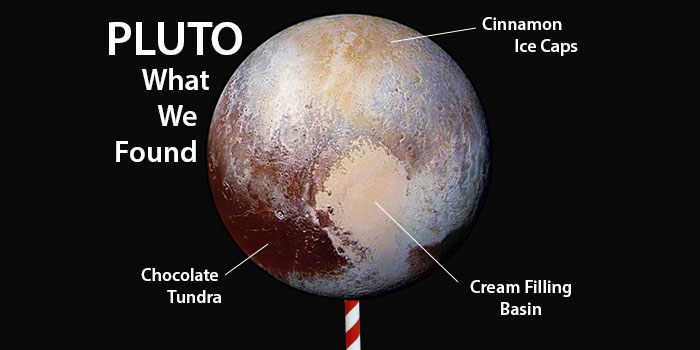 Celebrated public astronomer Andrew Fraknoi takes us behind the scenes on Pluto’s demotion
 Whether you’re a NightLife regular or rookie, Wonderfest’s Cosmic NightLife is not to be missed. It features three of the most exciting and insightful space experts in the Bay Area — and perhaps on planet Earth. Here’s the schedule and line-up:
 Join us for a fascinating journey through the early universe using the latest computer animations of early star formation, supernova explosions, and the build-up of the first galaxies. Dr. Abel’s work has shown that the first luminous objects in the universe were very massive stars shining one million times as brightly as our Sun. They died quickly and seeded the cosmos with the chemical elements necessary for life. One star at a time, galaxies started to assemble just one hundred million years after the Big Bang, and they are still growing now. Computer simulations of these events use the physics of dark matter, of ordinary atoms & molecules, and of expanding space to deliver remarkable insights into the early history of the cosmos.
 Richard

 Quantum theory is our best description of the micro-world. Quantum phenomena underly all processes in nature (except possibly gravitation). Some of these phenomena — superposition and entanglement, in particular — seem very strange to those of us living and functioning in the macro-world. Please join UC Berkeley’s Dr. Birgitta Whaley in exploring how quantum strangeness works — in nature and in information and computation — to make many important processes possible that we take for granted.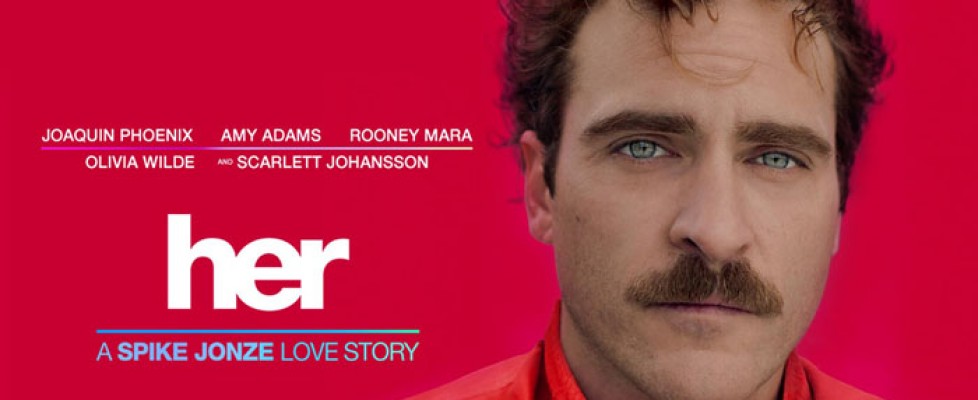
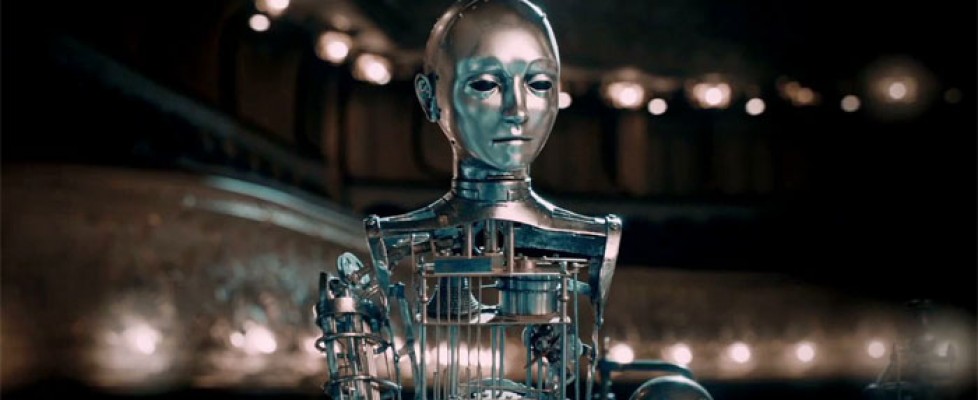
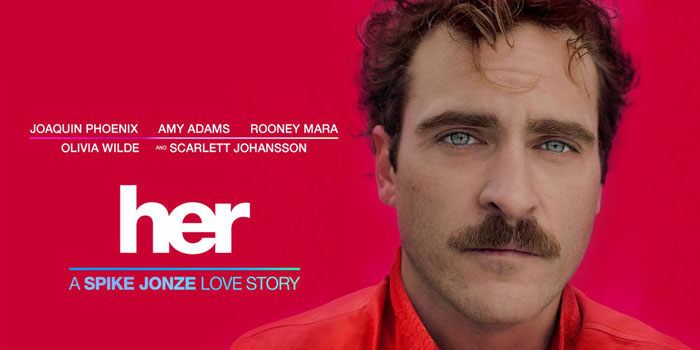 It’s a great pleasure of modern life to watch a wonderful movie, and then to discuss it with a smart friend. Even better when the movie is Her, Spike Jonze’s 2013 sci-fi-rom-com about a man who falls in love with a female-voiced operating system (think Siri) — and the smart friend is Peter Norvig, world expert in artificial intelligence.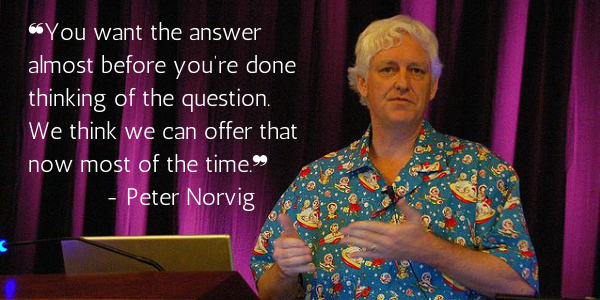
 Can 21st-century molecular biology answer age-old questions about the human experience? Can studying proteins and DNA help us understand how we make our choices in sex and love? How we communicate? Where our emotions come from? Or why we age and die? Using stories of people and animals, Peter Schattner will show how the amazing new world of molecular biology is revolutionizing our understanding of what it means to be human.