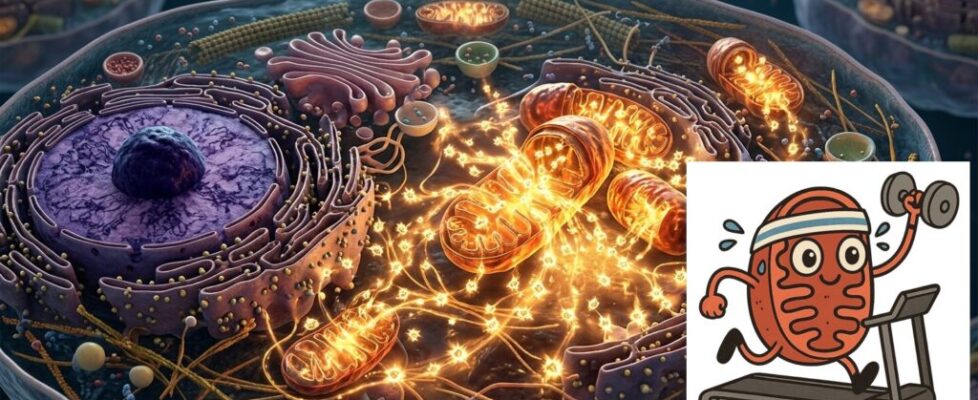
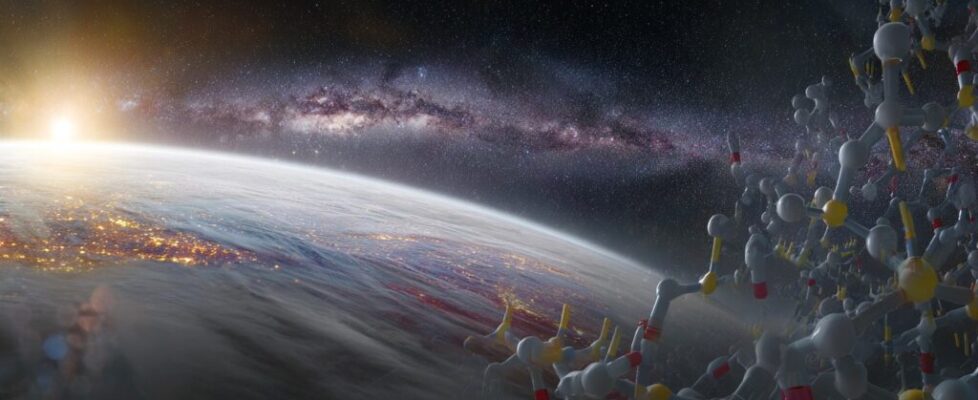
Mitochondria have ancient bacterial origins, and are present in nearly every cell of our body. They supply the energy required to get up and go, and are critical to maintaining complex cellular functions. Researchers have learned that mitochondrial dysfunction is a key driver of aging. Beyond metaphor, mitochondria keep protons and people moving, and their decline with the passage of time parallels our own.
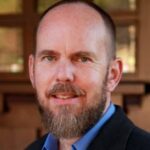
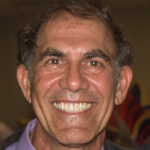
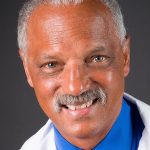
Our Wonderfest speaker is Dr.Gregory Tranah, Professor of Epidemiology and Biostatistics at UC San Francisco. He is also Senior Scientist at California Pacific Medical Center Research Institute.
Dr. Gregory Tranah, PhD
WHAT: From Protons to People: Mitochondria, Energy, and Aging
HOW: This event is free and unticketed ... and valuable. But what value does it have FOR YOU (and, indirectly, for society)? Accordingly, please use the DONATE button (below) to support Wonderfest in its nonprofit mission to share the scientific outlook.
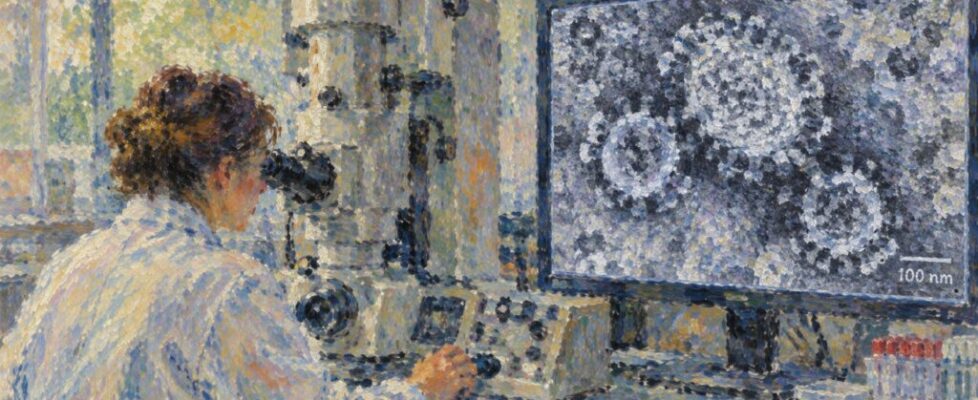
Can we understand biology at the atomic level by looking at a cell’s molecular machinery under the electron microscope? Unfortunately, most human macromolecules are just too small to be studied in noisy, low-contrast images. Now, researchers have imported a 1930s breakthrough in light microscopy to electron microscopy: phase contrast. Physicists are using the world’s most intense continuous-wave laser to quantum-manipulate the wave function of the electron beam to convert small phase shifts into visible image contrast. Macromolecules much smaller than ever are now coming into focus.
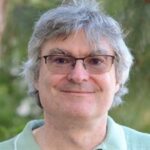
Our Wonderfest speaker is Dr. Holger Müller, Professor of Physics at UC Berkeley. He leads the Müller Group in using light to trap molecules and to record subtle biological signals. Dr. Müller also helps the Molecular Biophysics division at Lawrence Berkeley National Lab.
HOW: This event is free and unticketed ... and valuable. But what value does it have FOR YOU (and, indirectly, for society)? Accordingly, please use the DONATE button (below) to support Wonderfest in its nonprofit mission to share the scientific outlook.
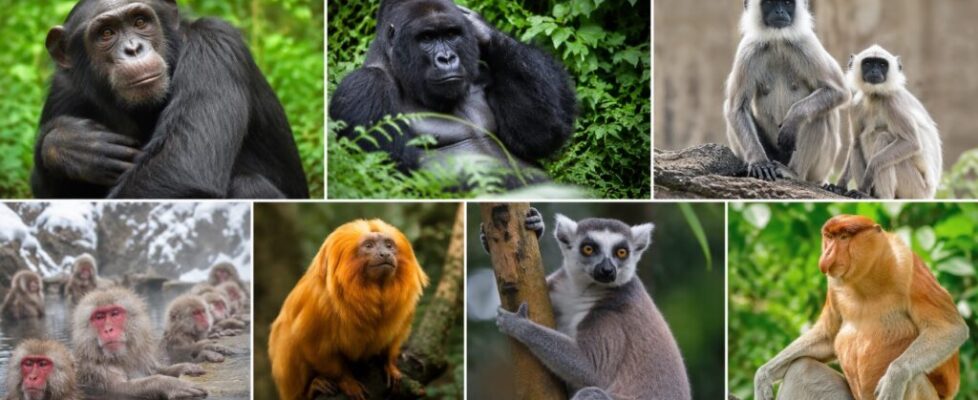
In recent years, our anthropoid cousins have been getting good press. For example, changing legislation in England has brought primates into the light and out of private homes. Going from news to gossip, have you heard of the risque “love triangle” formed when a female Japanese macaque seized management of her troop? And who can forget monkey Punch, the cute baby who, spurned by his mother, befriended a stuffed orangutan toy? Let’s explore the scientific side of timely monkey business.
Our speaker is biological anthropologist Julie Hui, Adjunct Professor at the College of Marin. Julie was — and is — a Wonderfest Science Envoy who takes science outreach seriously.
Julie Hui
WHAT: Primates in the News
WHO: Julie Hui, Adjunct Professor, College of Marin
HOW: This event is free and unticketed ... and valuable. But what value does it have FOR YOU (and, indirectly, for society)? Accordingly, please use the DONATE button (below) to support Wonderfest in its nonprofit mission to share the scientific outlook.
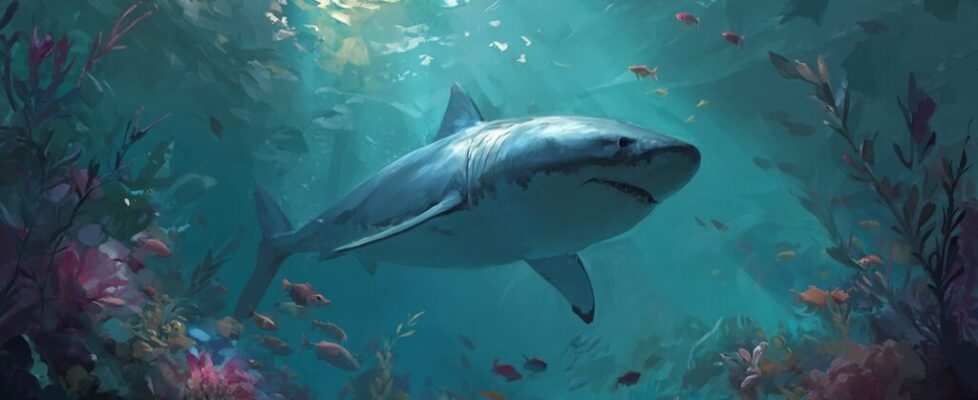
A few shark species are, indeed, dangerous wildlife. However, the public portrayal of these animals as villains and killers is overblown. What is the real life of a large shark like? How do they eat? How long do they live, and where do they migrate? Knowing about sharks in this way — especially how they think — helps us see them as part of our ocean world to be respected … and to be amazed by.
Our Wonderfest speaker is Dr.Stephen Palumbi, Professor of Marine Sciences at Stanford University. Steve is also Professor of Biology, Senior Fellow at Woods Institute for the Environment, and leader of The Palumbi Lab at Hopkins Marine Station, all at Stanford.
HOW: This event is free and unticketed ... and valuable. But what value does it have FOR YOU (and, indirectly, for society)? Accordingly, please use the DONATE button (below) to support Wonderfest in its nonprofit mission to share the scientific outlook.
Just for fun (and for bragging rights), how many science facts lie within your grasp, and within the grasp of a few friends? That beautiful word science originates from the Latin word scientia, meaning “knowledge,” so it covers a lot of ground! This particular bit of information — involving the etymology of “science” — might be precisely what your team needs to claim victory in Wonderfest’s Team Science Quiz: a fun contest with questions, music, and visuals from all fields of science. Play solo or join up to three fellow Wondernauts to form a quiz quartet … and earn Wonderfest bragging rights for years to come.
Our science quiz host is Howard Rachelson, Marin’s Master of Trivia and author of the weekly Trivia Cafe column in the Pacific Sun newspaper.
HOW: This event is free and unticketed ... and valuable. But what value does it have FOR YOU (and, indirectly, for society)? Accordingly, please use the DONATE button (below) to support Wonderfest in its nonprofit mission to share the scientific outlook.
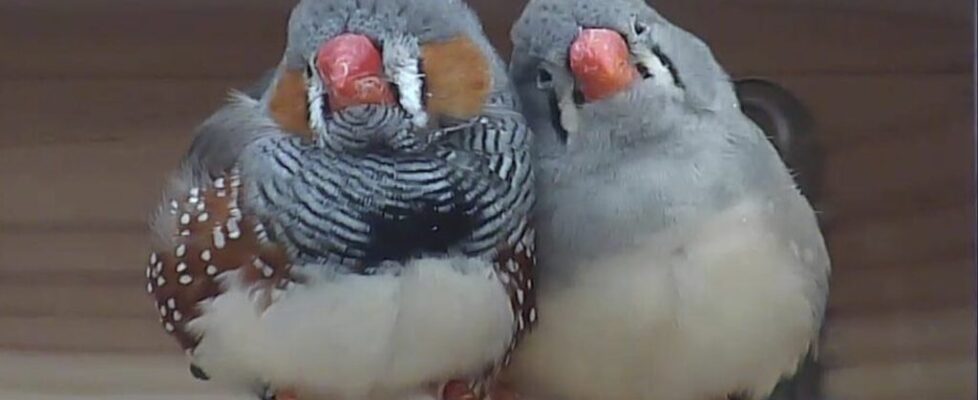
In The Story of Doctor Dolittle (1920), author Hugh Lofting imagines a physician who enjoys two-way communication with non-human animals. In 2026, for real, neuroscientist Dr. Julie Elie, earned the Coller Dolittle Prize for Two-way Interspecies Communication, describing a breakthrough in genuine animal talk. Dr. Elie and her team were able to classify zebra finch vocalizations into “core words” based on their significance. Then Dr. Elie verified that the “chatty songbirds” could distinguish — and derive meaning — from those sounds!
Our Wonderfest speaker, Dr. Julie Elie, is Associate Project Scientist in the neuroscience lab of Frédéric Theunissen at UC Berkeley. [Zebra finch photo by Wolfgang Forstmeier.]
HOW: This event is free and unticketed ... and valuable. But what value does it have FOR YOU (and, indirectly, for society)? Accordingly, please use the DONATE button (below) to support Wonderfest in its nonprofit mission to share the scientific outlook.
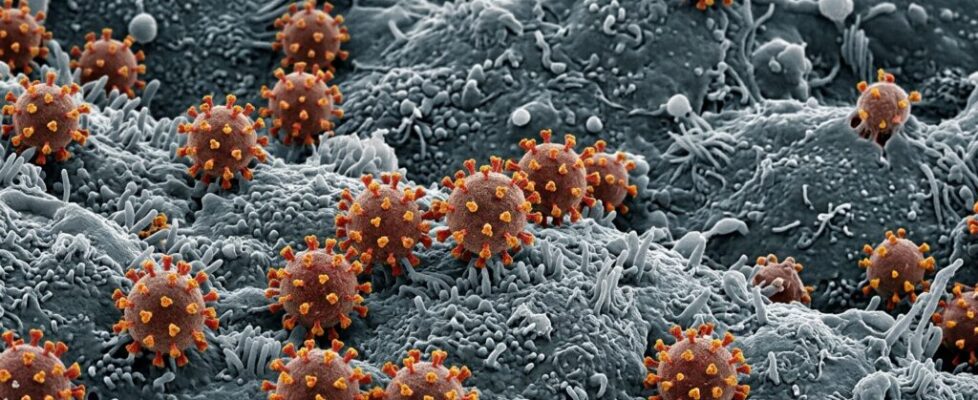
Viruses are infectious agents that exist in the twilight zone between the living and the non-living. Despite their tiny genomes and diminutive nature, viruses hold the power of life and death. They also contain remarkable molecular tools, some of which researchers have learned to harness to understand and control the fundamental powers of biology. Stanford’s Bob Siegel will shine light on the basic structure and function of viruses. He’ll also explore those features that distinguish viruses from the living organisms they commandeer.
Dr. Robert Siegel, MD PhD, is Professor of Microbiology & Immunology at Stanford University, and he is a member of the Wonderfest Advisory Board. Dr. Siegel has won numerous awards for his teaching at Stanford, and has given hundreds of public service interviews on radio and TV.
HOW: This event is free and unticketed ... and valuable. But what value does it have FOR YOU (and, indirectly, for society)? Accordingly, please use the DONATE button (below) to support Wonderfest in its nonprofit mission to share the scientific outlook.
It’s a science double feature! Wonderfest presents two half-hour talks — each followed by Q&A (of course) — by outstanding UC Berkeley researchers:
• Biologist Dr. Stephen Gaughran on The Genetics of Extinction (and Survival) — Species are now disappearing faster than at any point in the last several million years. Decades of conservation and management has made real progress in protecting endangered species, yet we still struggle to understand why some recover while others go extinct. By combining new genomic technologies with evolutionary theory, we are entering a new era of species conservation — one where we can use a species’ evolutionary past to plan for its future survival.
• Chemist Dr. Colin Gould on Building Next-Generation Medicines with Light & Electricity — Modern medicines have revolutionized treatments for cancer, heart disease, chronic illness, and more. These therapeutics often consist of carefully engineered organic molecules, which are designed in an iterative process of chemical synthesis and biological testing. Alternative energy sources, such as light and electricity, can help to speed up drug discovery, while also making manufacturing more environmentally friendly.
WHAT: Genetics of Extinction (& Survival) + Next-Gen Meds with Light & Electricity
WHO: Dr. Stephen Gaughran & Dr. Colin Gould, UC Berkeley professors
HOW: This event is free and unticketed ... and valuable. But what value does it have FOR YOU (and, indirectly, for society)? Accordingly, please use the DONATE button (below) to support Wonderfest in its nonprofit mission to share the scientific outlook.
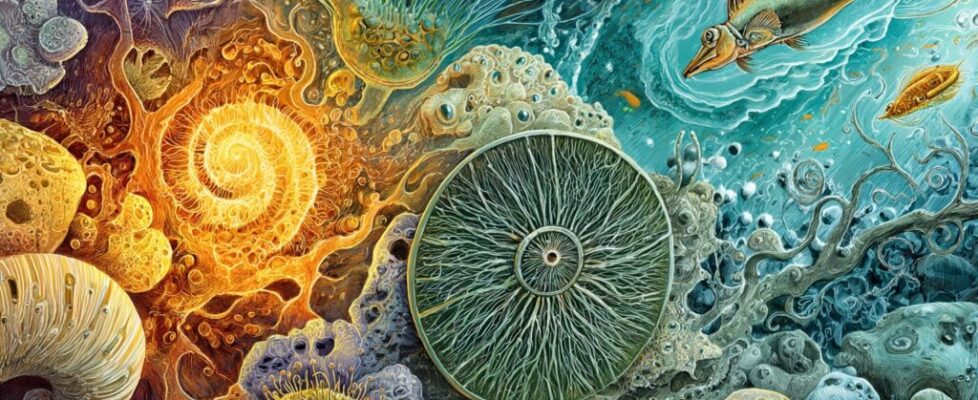
Charles Darwin was deeply troubled by the sudden appearance of complex animal life during the Cambrian Explosion about half a billion years ago, animal evolution’s Big Bang. He felt the sudden appearance of such diverse animal body-plans was inexplicable, fearing that it was the Achilles heel of his theory. What do we now know of this spectacular event? Drawing on the fossil record, ecology, developmental biology, genetics, and computer simulation, can we understand how and why the Cambrian Explosion occurred?
Our Wonderfest speaker, Dr.Charles Marshall, is Distinguished Professor of Integrative Biology at UC Berkeley. He is also Director of the University of California Museum of Paleontology.
Dr. Charles Marshall
WHAT: Animal Evolution's Big Bang: The Cambrian Explosion
HOW: This event is free and unticketed ... and valuable. But what value does it have FOR YOU (and, indirectly, for society)? Accordingly, please use the DONATE button (below) to support Wonderfest in its nonprofit mission to share the scientific outlook.
Synthetic biology — creating new capabilities with life — promises to foster an innovative future for planet Earth in fields as diverse as agriculture, pharmaceuticals, and nanotechnology. As humans move beyond Earth to long duration stays in the International Space Station, and then onward to the Moon and Mars, the challenges of supporting human life will need radical new solutions that synthetic biology can deliver. In turn, those new solutions will facilitate technical, industrial, and social improvements back here on our home planet.
Our Wonderfest speaker is Dr.Lynn Rothschild, Adjunct Professor of Molecular Biology, Cell Biology, and Biochemistry at Brown University. Dr. Rothschild also has a laboratory at NASA Ames Research Center, and teaches Astrobiology and Space Exploration at Stanford University.
Dr. Lynn Rothschild
WHAT: An Innovative Future for Planet Earth ... via Space
HOW: This event is free and unticketed ... and valuable. But what value does it have FOR YOU (and, indirectly, for society)? Accordingly, please use the DONATE button (below) to support Wonderfest in its nonprofit mission to share the scientific outlook.
A few shark species are, indeed, dangerous wildlife. However, the public portrayal of these animals as villains and killers is overblown. What is the real life of a large shark like? How do they eat? How long do they live, and where do they migrate? Knowing about sharks in this way — especially how they think — helps us see them as part of our ocean world to be respected … and to be amazed by.
Our Wonderfest speaker is Dr.Stephen Palumbi, Professor of Marine Sciences at Stanford University. Steve is also Professor of Biology, Senior Fellow at Woods Institute for the Environment, and leader of The Palumbi Lab at Hopkins Marine Station, all at Stanford. This event is co-presented by Wonderfest and the San Francisco Public Library.
HOW: This event is free and unticketed ... and valuable. But what value does it have FOR YOU (and, indirectly, for society)? Accordingly, please use the DONATE button (below) to support Wonderfest in its nonprofit mission to share the scientific outlook.
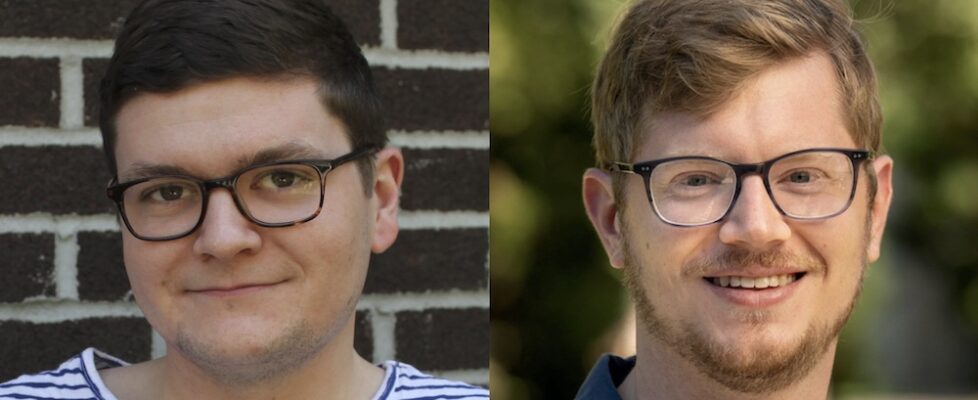
Wonderfest Science Envoys are early-career researchers with enhanced communication skills and aspirations. Following short talks on provocative modern science topics, these two Science Envoys will answer questions with insight and enthusiasm:
• Stanford biologist Marina Luccioni on Fish that Make Dreams — Hawaiian traditional knowledge from the 1400s references “nightmare fish.” Indeed, eating the heads of certain fish species does induce dizziness, severe hallucinations, and nightmares. How do these fish come to contain and accumulate neurotoxins, and how do those molecules cause hallucinations? Of equal importance, how do we do such science that is respectful of indigenous knowledge and fair to local communities and ecosystems?
• Stanford ecologist Ryan Rogers on What’s Up with Wetlands? — Tidal wetlands are environments of constant change: tides rise and fall, salinity shifts, and waters stay perpetually in motion. In these challenging conditions, seagrasses flourish, creating underwater meadows that support rich and diverse communities. Studying these ecosystems reveals how biodiversity sustains them, and why protecting wetlands and estuaries is critical for resilient coastlines.
This interactive science presentation, free and unticketed, is produced by Wonderfest in partnership with Marin Science Seminar.
HOW: This event is free and unticketed ... and valuable. But what value does it have FOR YOU (and, indirectly, for society)? Accordingly, please use the DONATE button (below) to support Wonderfest in its nonprofit mission to share the scientific outlook.
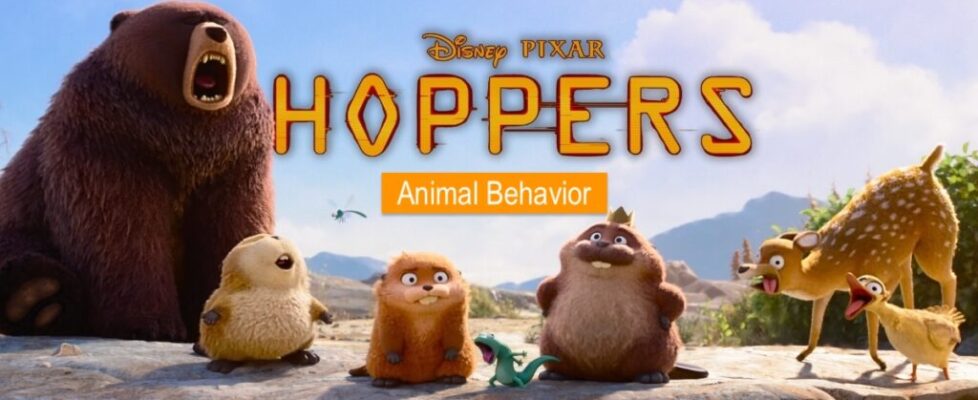
What if we could communicate — clearly and deeply — with animals? In Disney and Pixar’s new feature film HOPPERS, scientists have discovered how to “hop” human consciousness into lifelike robotic animals, allowing us to communicate with denizens of the animal world as animals. Wonderfest comes to the Napa Valley to help present this special Science In Cinema event. Immediately following the screening of HOPPERS, UC Berkeley biologist Dr. Eileen Lacey answers our questions about animal behavior in HOPPERS and in the real world.
Dr. Eileen A. Lacey is Professor and Chair in Biological Sciences at UC Berkeley’s Department of Integrative Biology. At Cal’s Lacey Lab, her research focuses principally on vertebrate social behavior. Dr. Lacey also works with Cal’s Museum of Vertebrate Zoology.
HOW: For advance ticket purchase ($10) at the Cameo Cinema event webpage (linked directly above), scroll down and click the "1:00 PM" box under "Times & Tickets."
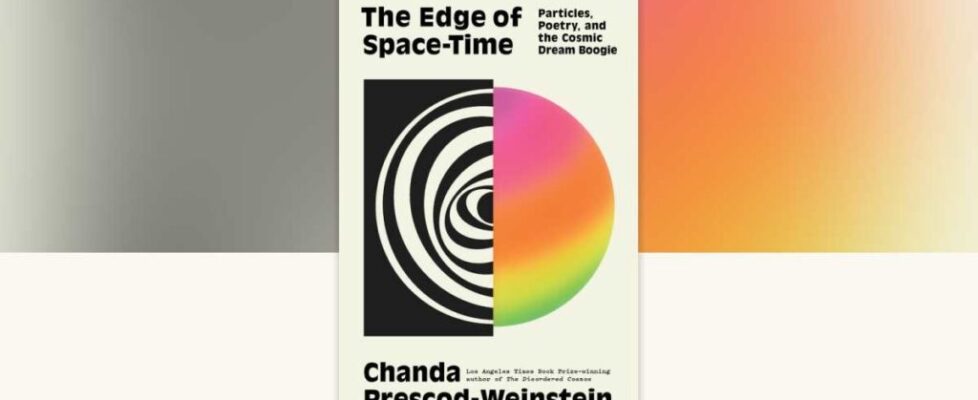
Wonderfest comes to San Francisco’s BookShop West Portal for a special author event featuring cosmologist Dr. Chanda Prescod-Weinstein. In her latest book, The Edge of Space-Time: Particles, Poetry, and the Cosmic Dream Boogie, Dr. Prescod-Weinstein “embraces cosmic wonder and takes us on a mind-altering journey to the boundaries of the universe, inviting us to spend time at the edge of what we know about space-time and about ourselves.”
Dr. Chanda Prescod-Weinstein is Associate Professor of Physics and Core Faculty Member in Women’s and Gender Studies at the University of New Hampshire. She is the author of The Disordered Cosmos, and columnist for New Scientist and Physics World magazines.
Dr. Chanda Prescod-Weinstein
WHAT: The Edge of Space-Time
WHO: Dr. Chanda Prescod-Weinstein, Assoc. Professor of Physics, University of New Hampshire [https://chanda.science]
WHERE: BookShop West Portal, 80 West Portal Avenue, San Francisco CA 94127
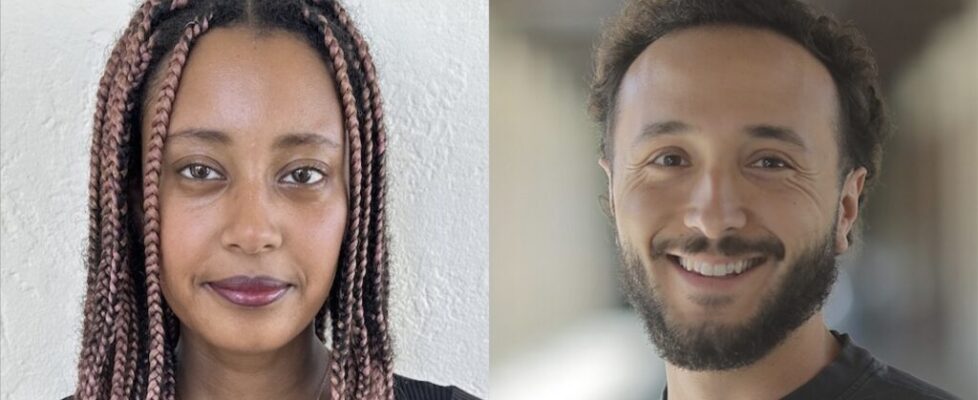
Wonderfest Science Envoys are early-career researchers with enhanced communication skills and aspirations. Following short talks on provocative modern science topics, these two Science Envoys will answer questions with insight and enthusiasm:
• Stanford physicist Mahlet Shiferaw on Learning Cosmology from Galaxies — The Universe is shaped by an invisible “cosmic web” of dark matter that guides where galaxies form. By comparing observations of galaxies to predictions from models, we can probe the nature of dark matter and dark energy. Cosmologists are now developing new modeling and inference techniques to unlock even more information from upcoming galaxy surveys.
• Stanford biologist Sebastian Somolinos on Give Evolution a Chance — When was the last time you watched evolution happen? Evolution is nature’s most powerful problem solver, yet creatures like horseshoe crabs remind us that it can also be slow and stubbornly conservative. To unlock evolution’s full creative potential, and to appreciate evolution more fully, we must learn how to accelerate it. We need to give evolution a chance.
This interactive science presentation, free and unticketed, is produced by Wonderfest in partnership with Marin Science Seminar.
HOW: This event is free and unticketed ... and valuable. But what value does it have FOR YOU (and, indirectly, for society)? Accordingly, please use the DONATE button (below) to support Wonderfest in its nonprofit mission to share the scientific outlook.
Most every page of Andy Weir’s latest sci-fi novel, Project Hail Mary, glows with the promise of science and technology. In Weir’s first novel, 2011’s The Martian, the protagonist endures interplanetary travel, and struggles to survive on a harsh new world. However, in Project Hail Mary, the hero faces a far greater challenge: interstellar travel to collaborate with an ET in hope of saving an imperiled planet Earth! Are the wonderful science and technology of Project Hail Mary realistic? We shall see!
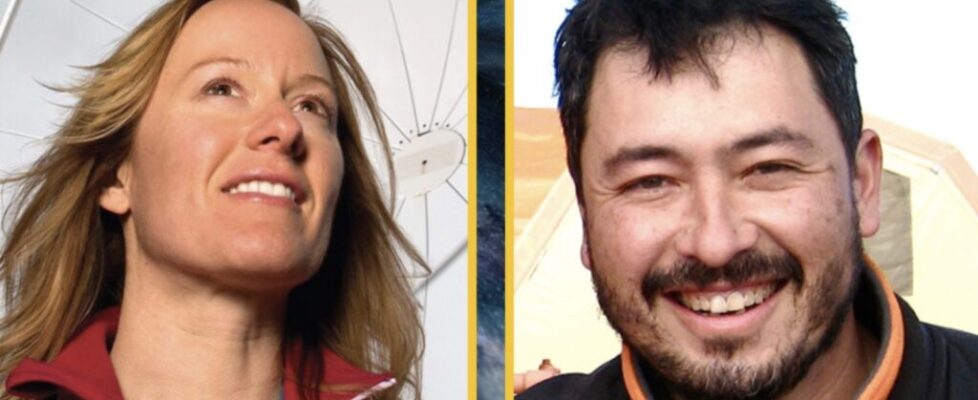
Wonderfest and the SETI Institute join the Commonwealth Club World Affairs to present two wonderful space scientists in conversation about The Science of Project Hail Mary: astrobiologist Dr. Maggie Turnbull and planetary scientist Dr. Pascal Lee.
Two types of tickets are available: in-person and online-only. Pre-register with the Commonwealth Club / World Affairs via the “Tickets” link, below. Use promo code WONDERNAUTS for a $10 ticket discount (which renders the online ticket entirely FREE).
WHERE: The Commonwealth Club, Taube Auditorium, 110 The Embarcadero, San Francisco CA 94105
WHEN: Thursday, March 26 — 6pm (1 hour)
COLLABORATORS: Commonwealth Club World Affairs of California and the SETI Institute
HOW: Get tickets by clicking the "Tickets" box, below. During purchase from the Commonwealth Club, use promo code WONDERNAUTS to secure a discount of $10 for either type of ticket, in-person or online.
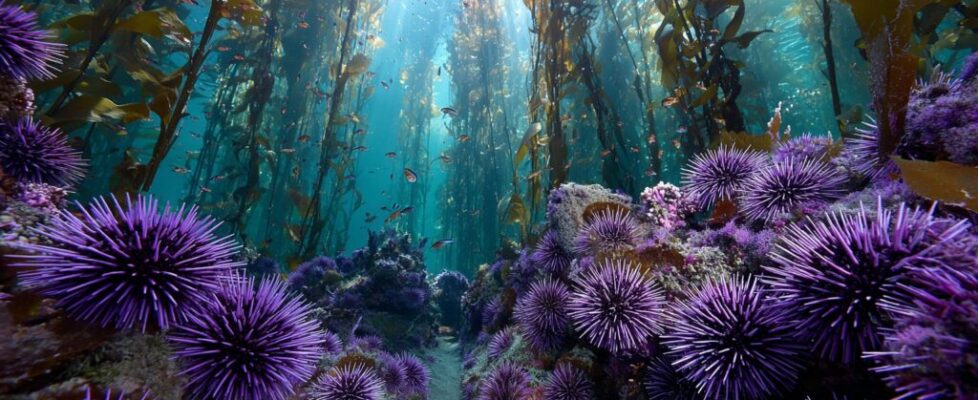
Earth’s oceans are warming. Such large-scale aspects of climate change are disrupting important ecological balances, including the delicate service sea urchins perform in California’s kelp forest ecosystem. The implications are broad and alarming (and addressable): a warming planet may cause collapse in wild populations of vital marine life.
Our Wonderfest speaker is Dr.Daniel Okamoto, Assistant Professor of Integrative Biology, leader of the Okamoto Lab at UC Berkeley.
Dr. Daniel Okamoto
WHAT: Zombies of the Nearshore: Sea Urchins in a Changing Ocean
WHO: Dr. Daniel Okamoto, Asst. Professor of Integrative Biology, UC Berkeley [https://dkokamoto.com]
HOW: This event is free and unticketed ... and valuable. But what value does it have FOR YOU (and, indirectly, for society)? Accordingly, please use the DONATE button (below) to support Wonderfest in its nonprofit mission to share the scientific outlook.
Philosophers, cognitive scientists, and animal welfare advocates tend to agree that consciousness evolved to support action. Yet, puzzlingly, most accounts take relatively passive sensory experiences and bodily sensations (e.g. pains, visual perceptions, and hunger pangs) to be the basic contents of subjective experience. What if consciousness were not a “point of view,” but rather a “point of do,” where the conscious subject is not an observer but a participant who interacts with an environment that pushes back? Thinking carefully about action experience might help us better understand the biological evolution of consciousness on Earth.
Our Wonderfest speaker is Dr. Mariel Goddu, PhD in developmental psychology (UC Berkeley) and PhD candidate in philosophy (Stanford). Mariel was — and remains — a wonderful Wonderfest Science Envoy.
Dr. Mariel Goddu
WHAT: Evolution of Consciousness: The Participatory Perspective
HOW: This event is free and unticketed ... and valuable. But what value does it have FOR YOU (and, indirectly, for society)? Accordingly, please use the DONATE button (below) to support Wonderfest in its nonprofit mission to share the scientific outlook.
It’s an age-old question: How did life come about? Even the simplest creatures that exhibit the two hallmarks of life, namely metabolism and replication, are astoundingly complex. While the search for life’s origin has fascinated humans for centuries, recent breakthroughs point us in a more conclusive direction, and have remarkable implications. Among important side insights are the unexpected similarities between prebiotic and human innovation, and the central role that energy and information have played in transforming the planet over the last 4 billion years, leading right up to the present climate crisis.
Our Wonderfest speaker, Dr. Charles Marshall, is Distinguished Professor of Integrative Biology at UC Berkeley. He is also Director of the University of California Museum of Paleontology.
HOW: This event is free and unticketed ... and valuable. But what value does it have FOR YOU (and, indirectly, for society)? Accordingly, please use the DONATE button (below) to support Wonderfest in its nonprofit mission to share the scientific outlook.
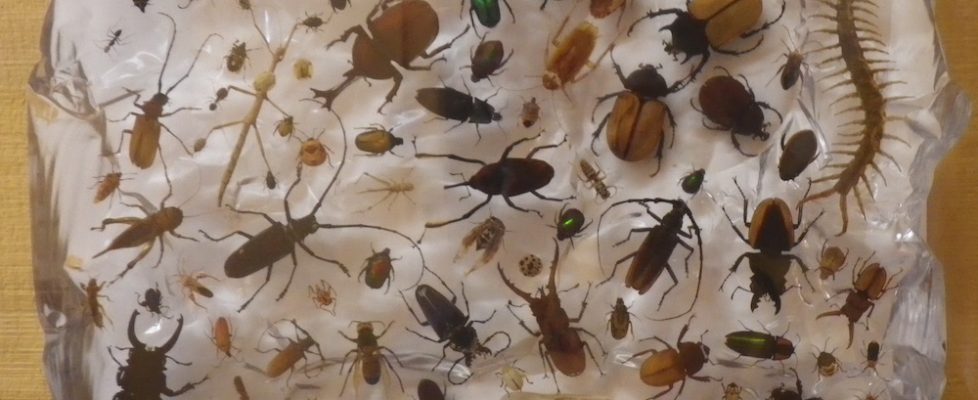
Dr. Vernard Lewis first encountered insects as a child, capturing grasshoppers and ants in California’s central valley. Since then, he has traveled to fifty countries to discuss many creepy-crawlies, sometimes as a member of the United Nations Global Termite Expert Group. This Wonderfest event offers a rather personal account of a bug-rich life, including oakworm adventures on Mt. Tamalpais, and (tiny) pest removal at San Quentin Prison. Dr. Lewis will share “field experiences” with termites, with bedbugs, with cockroaches, and with courtrooms (as an expert witness). He will also display real insects — both dead and alive — and the damage they can do.
Our Wonderfest speaker is Vernard Lewis, Cooperative Extension Specialist (emeritus) at UC Berkeley. Dr. Lewis has earned three degrees in entomology, and is a global authority on termites.
HOW: This event is free and unticketed ... and valuable. But what value does it have FOR YOU (and, indirectly, for society)? Accordingly, please use the DONATE button (below) to support Wonderfest in its nonprofit mission to share the scientific outlook.