
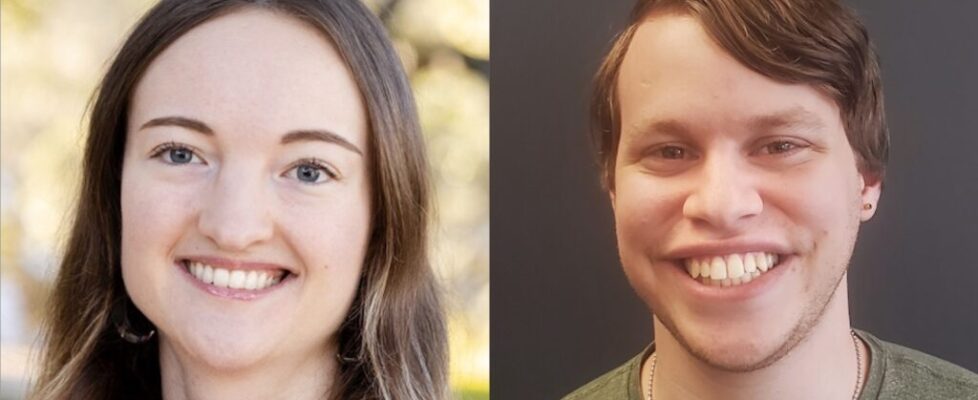
RockClocks & Supernovae – May 27
Wonderfest Science Envoys are early-career researchers with enhanced communication skills and aspirations. Following short talks on provocative modern science topics, these two Science Envoys will answer questions with insight and enthusiasm:
• UC Berkeley geophysicist Caroline Hasler on Measuring Geologic Time with Rock Clocks — In microscopically small crystals within rocks, radioactive elements decay at predictable rates and function as tiny clocks. These “rock clocks” help us to figure out the timing of major events in Earth history — from the moment of Earth’s formation to the asteroid impact that killed the dinosaurs.
• UC Berkeley astronomer Eli Wiston on Seeing Core-collapse Supernovae with Radio Telescopes — At the end of its life, a massive star will contract and explode in spectacular fashion, outshining the light of an entire galaxy. While most astronomers focus on the optical light given off by these stellar explosions, there is a wealth of new information to be gained by observing invisible wavelengths. With radio telescopes, we can study new aspects of supernovae: their stars’ activity in the years before death, their environments, and what they leave behind after the explosion fades.
This interactive science presentation, free and unticketed, is produced by Wonderfest in partnership with Marin Science Seminar.
Marin Science Seminar [https://marinscienceseminar.com]
Cosmic Life, Human Heart – Mar 24
Dr. Maggie Turnbull
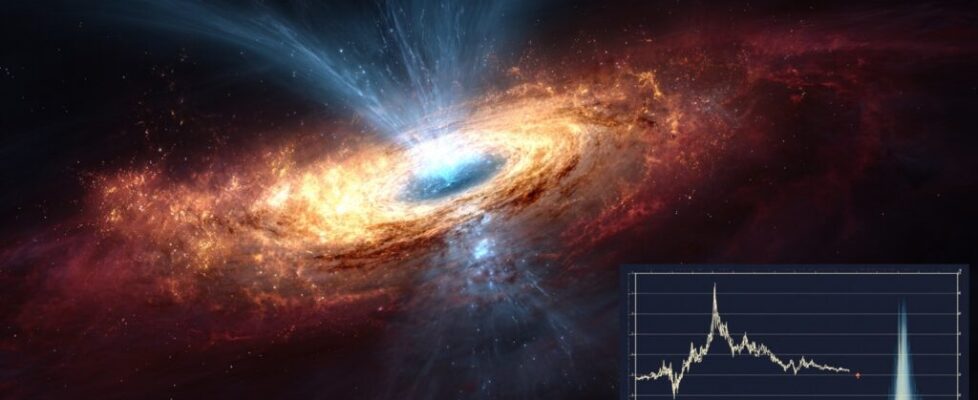
Multi-Messenger Astronomy – Feb 24
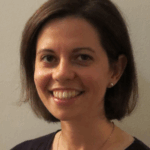
Dr. Raffaella Margutti
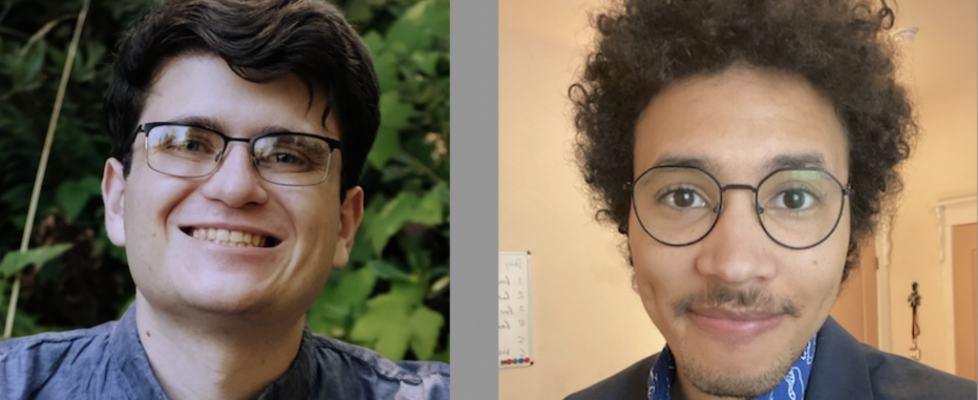
Kilonova Metals & Cat Ecology – Apr 29
Wonderfest Science Envoys are early-career researchers with enhanced communication skills and aspirations. Following short talks on provocative modern science topics, these two Science Envoys will answer questions with insight and enthusiasm:
• UC Berkeley astrophysicist Daniel Brethauer on Astronomically Rocking Out to Heavy Metals — The gold in jewelry, the uranium in a nuclear power plant, the caesium in atomic clocks: what do these all have in common? It turns out they were likely forged in the fires of a cosmic explosion known as a kilonova. These extremely energetic events reveal the origins of the periodic table’s heaviest elements.
• UC Berkeley ecologist Tyus Williams on Unraveling the Ecology of Domestic Cats — What if one of our greatest companions is potentially one of our greatest threats? When free to roam, domestic cats can severely disrupt wildlife communities. However, understanding cats’ behavior and how they’re influenced by their surroundings can allow us to develop better conservation strategies.
This interactive science presentation, free and unticketed, is produced by Wonderfest in partnership with Marin Science Seminar.
Marin Science Seminar [https://marinscienceseminar.com]
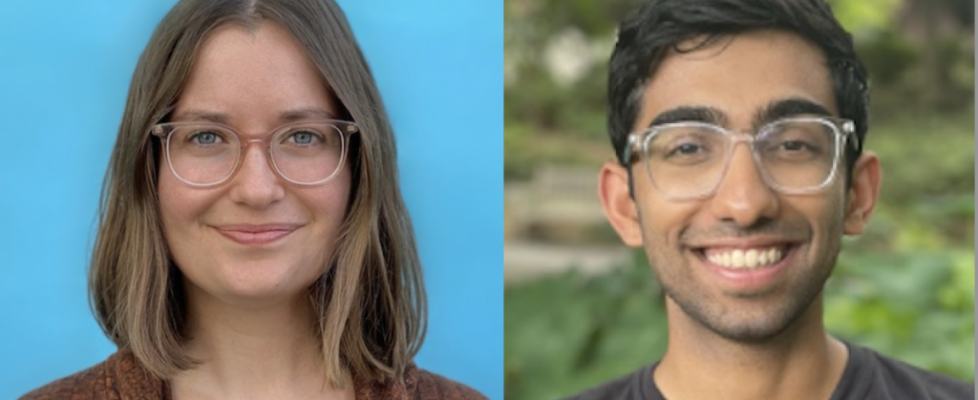
Eye Movements & Tiny Galaxies – Apr 15
Wonderfest Science Envoys are early-career researchers with enhanced communication skills and aspirations. Following short talks on provocative modern science topics, these two Science Envoys will answer questions with insight and enthusiasm:
• UC Berkeley neuroscientist Stephanie Reeves on The Horizontal Saccade Bias — Humans make eye movements to explore the visual environment. One type of involuntary eye movement, termed a saccade, occurs 2-3 times per second and is one of the fastest movements that the human body can make. New research challenges previous assumptions about how and why saccades arise.
• Stanford astrophysicist Viraj Manwadkar on Tiny Galaxies and Big Cosmic Mysteries — The very smallest galaxies shed light on fundamental questions in physics and astronomy: They play an intriguing role in the formation of cosmic ecosystems, and they even inform our attempt to understand dark matter, the utterly mysterious stuff that constitutes 80% of the material universe.
This interactive science presentation, free and unticketed, is produced by Wonderfest in partnership with Marin Science Seminar.
Marin Science Seminar [https://marinscienceseminar.com]
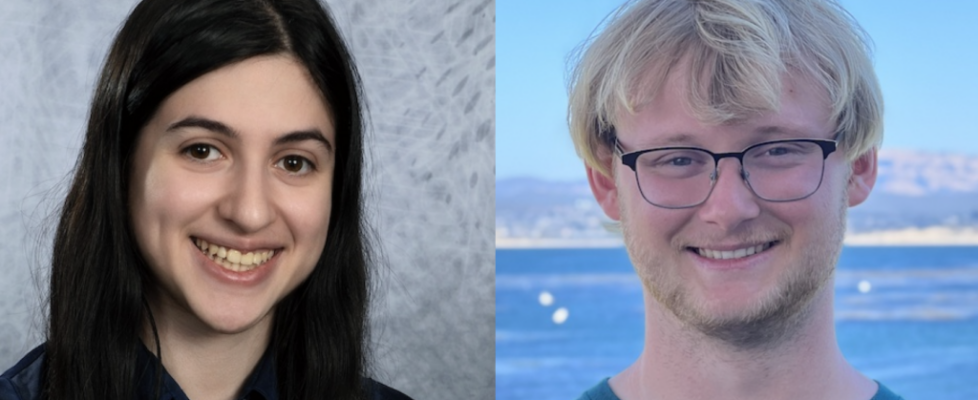
Black Holes; Kelp Forests – Feb 24
Wonderfest Science Envoys are early-career researchers with special communication skills and aspirations. Following short talks on provocative modern science topics, these two Science Envoys will answer questions with insight and enthusiasm:
• UC Berkeley astrophysicist Natasha Abrams on Black Holes: Discovering the Invisible — Black holes are among the most extreme objects in the universe. They push the boundaries of our knowledge, holding many unsolved mysteries. This talk will explore black holes from “small” to enormous, including how to detect these invisible marvels. In the process, we will probe the very frontiers of astrophysics.
• Stanford marine biologist Will Johnson on The Structure of Kelp Forests — Kelp forests constitute one of the most diverse ecosystems on Earth, and they’re hidden right beneath the waves of our coastline. To research how these ecosystems function, we need to study what lives there. Come learn how scientific diving and modern genetics are helping us unravel the complex structure of kelp forests.
This interactive science presentation, free and unticketed, is produced by Wonderfest in partnership with Marin Science Seminar.
Marin Science Seminar [https://marinscienceseminar.com]
Scavengers+DarkMatter+Biomolecules – Jul 16
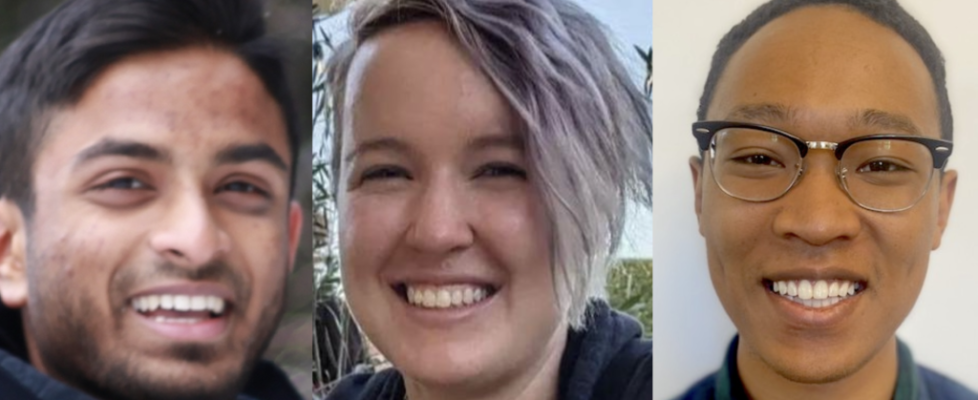
Wonderfest Science Envoys are early-career researchers with special communication skills and aspirations. Following short talks on provocative modern science topics, these three Science Envoys will answer questions with insight and enthusiasm:
• Stanford ecologist Chinmay Sonawane on How Scavenging Animals Protect Human Health — Wildlife is rapidly disappearing globally. But why should we care? The loss of scavengers (consumers of already-dead animals) provides an intriguing example of how biodiversity loss has had, and will continue to have, profound consequences for human health.
• UC Berkeley physicist Bethany Suter on Direct Detection of Dark Matter — Ubiquitous, yet deeply mysterious, dark matter constitutes 85%(!) of the material universe. What do we know — and not know — of elusive dark matter particles? Novel laboratory materials may allow us to detect dark matter directly, shining light into the pervasive cosmic shadows.
• Stanford biophysicist Sean Waterton on Making Biomolecules from Electricity — Solar panels produce ever-more clean electricity. At the same time, human activity produces copious amounts of CO2. Modern research in synthetic biology allows us to use electricty and CO2 to create valuable molecules like fats and proteins — and, hopefully, more specialized molecules like medications.
This interactive science presentation, free and unticketed, is produced by Wonderfest in partnership with Marin Science Seminar.
Marin Science Seminar [https://marinscienceseminar.com]
What value does this free science experience have for you and, indirectly, for society? Accordingly, please consider making a donation to nonprofit Wonderfest via the Eventbrite box, below.
Fast & Faraway – Nov 28
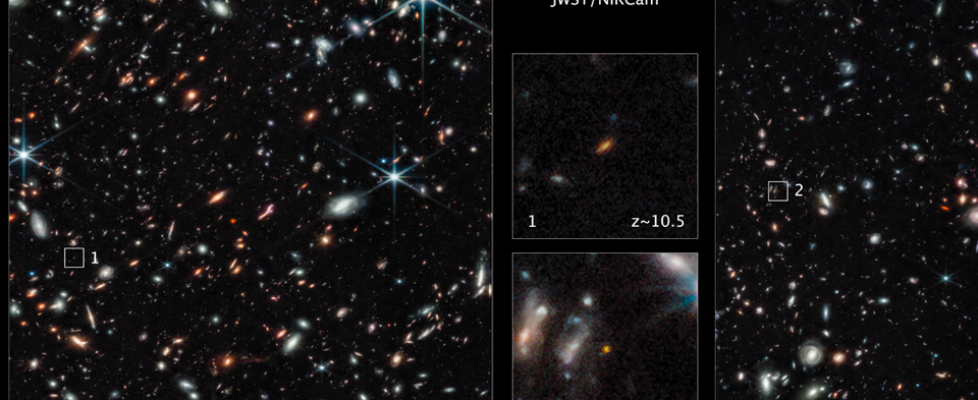
In astronomy, the redder a galaxy appears, the faster it is fleeing, and the older a tale its light can tell. Such “redshifts” in the spectra of galaxies (symbolized with the letter “z”) allow compelling cosmic insights. The recently-launched James Webb Space Telescope (JWST) has allowed astronomers to study the properties of high-z galaxies in existence only 250 million years after the Big Bang, when the universe was only 2% of its current age! How are these objects detected in such very “deep” space, and what are the early science results from this JWST research?
Our speaker is Dr. Thomas Targett, Associate Professor of Physics & Astronomy at the Sonoma campus of California State University. Dr. Targett’s Wonderfest history includes an eye-opening talk entitled Popular Myths of Astronomy, presented as part of the Mt. Tam Astronomy Program.
Dr. Thomas Targett
This event is FREE and unticketed ... and valuable. But what value does it have for YOU? Accordingly, please consider a donation to nonprofit Wonderfest via the Eventbrite window, below.
Search for ET – Oct 15
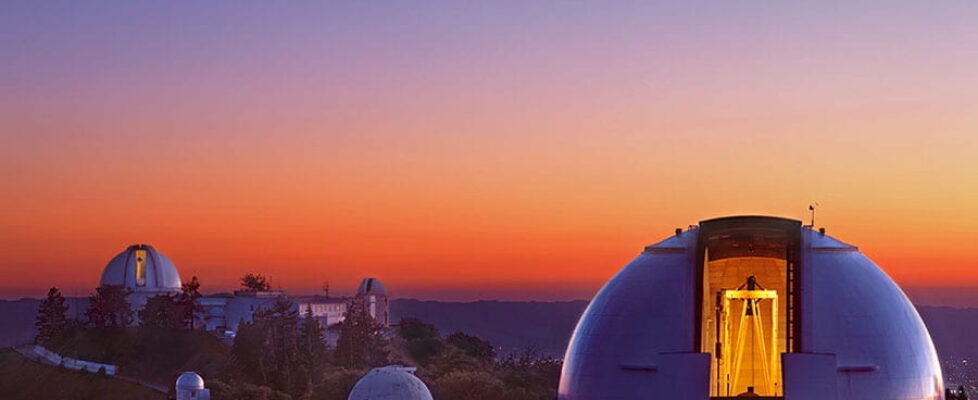
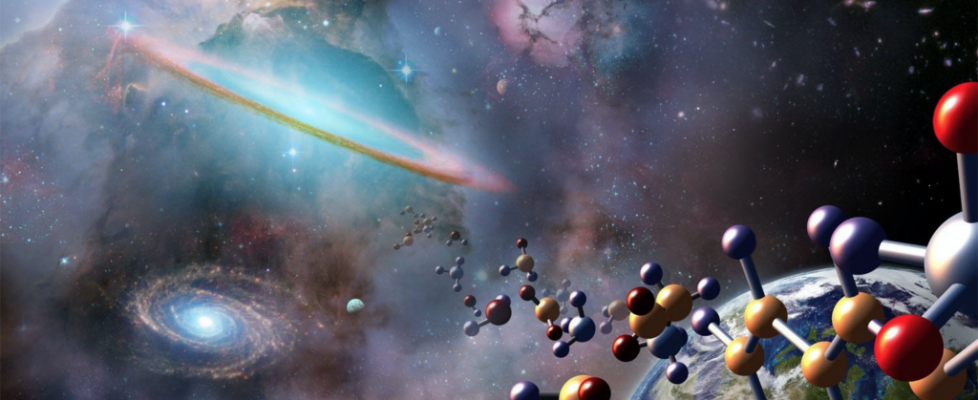
Humans have sought “signs from above” for millennia. The scientific search for extraterrestrial intelligence (SETI) began circa 1960, and, today, grows ever deeper and more technologically diverse. The scope of modern research is breathtaking. Methods include targeted searches for electromagnetic (EM) signals near known Earth-like exoplanets, continuous EM scans over the entire sky (e.g., PANOSETI at the Bay Area’s Lick Observatory, pictured), the hunt for exotic forms of communication, and the careful search for ET artifacts on/near Earth.
Our speaker, Dan Werthimer, is Chief Scientist at the Berkeley SETI Research Center. He is also co-founder of SETI@Home, and principal investigator of CASPER, the Center for Astronomy Signal Processing and Electronics Research. Since 1979, Dan has helped to design and build numerous sensitive tools for the detection of ET. In 2019, Dan earned Wonderfest’s Carl Sagan Prize for Science Popularization. And, in 2021, he received the prestigious Frank Drake Award of the SETI Institute.
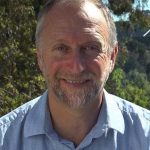
Dan Werthimer
This free event is produced by Wonderfest and by the Alameda Free Library. In the Eventbrite space below, please consider a donation to help nonprofit Wonderfest in its mission of science outreach.
Extraterrestrial Life – Sep 5
An August-24th New York Times article about audacious astronomer Avi Loeb concludes with this: “Now, that being said, if [Dr. Loeb] finds something, it’s life-changing … It will change everything.” What was “being said” referred to professional academic complaints about Dr. Loeb’s alleged “transgressions against scientific norms and protocols.” However, no one disputes the excitement of Prof. Loeb’s investigations. Wonderfest joins the Commonwealth Club to present controversial Harvard astronomer Avi Loeb in conversation about ideas in his latest book, Interstellar: The Search for Extraterrestrial Life and Our Future in the Stars. That conversation will explore some vital — if highly speculative — long-term questions: How do we prepare for first contact with ET? And how can our species itself become interstellar?
Dr. Avi Loeb is Professor of Science and former chair of the Astronomy Department at Harvard University. During this online event, he will be in conversation with the Commonwealth Club’s George Hammond.
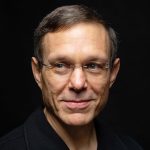
Dr. Avi Loeb
The Commonwealth Club
Please pre-register with the Commonwealth Club (via the URL below) to receive a link — via email — to this live-stream event. Use discount code WonderfestPromo for $10 off the ticket price, rendering that ticket completely FREE.
Astronomy for Earth – June 20
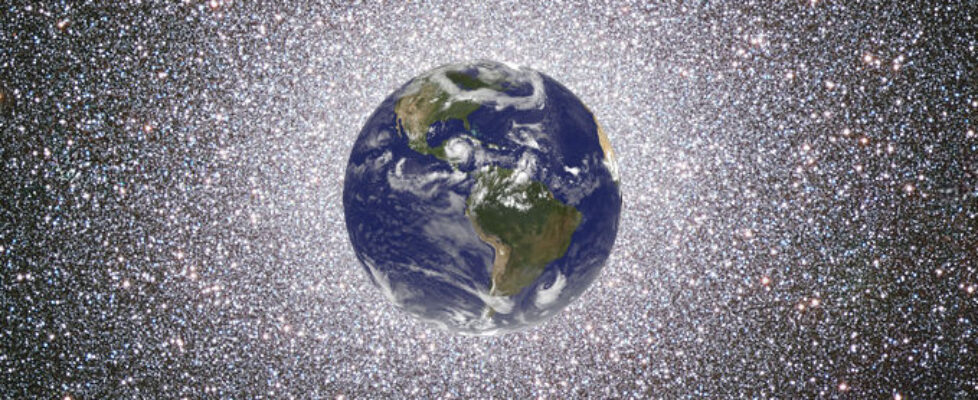
The past few decades of astronomical discovery have been breathtaking: thirty years of awe-inspiring images from two Space Telescopes (Hubble & Webb), thousands of planets found circling nearby stars, mind-bending and spacetime-bending gravity waves and, quite recently, a stunning image of the black hole at the center of the Milky Way. What is the value of all of these discoveries? Can learning about our place in the Universe inspire us, as Carl Sagan put it, to preserve and cherish the Pale Blue Dot?
Our speaker, Dr. Adrienne Cool, is Professor of Physics & Astronomy at San Francisco State University. She is also co-founder of Astronomers for Planet Earth, an international organization working to address climate change from a cosmic perspective.
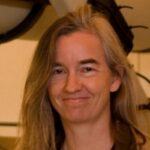
Dr. Adrienne Cool
Since Wonderfest is COVID-cautious, consider wearing a mask; the warm feeling of Wondernaut(!) camaraderie radiates through masks and across wide seat-spacing.
This event is FREE and unticketed ... and valuable. But what value does it have for you? Accordingly please consider a donation to nonprofit Wonderfest via the Eventbrite window, below.
Biodiversity; Cosmic Maps – Mar 27
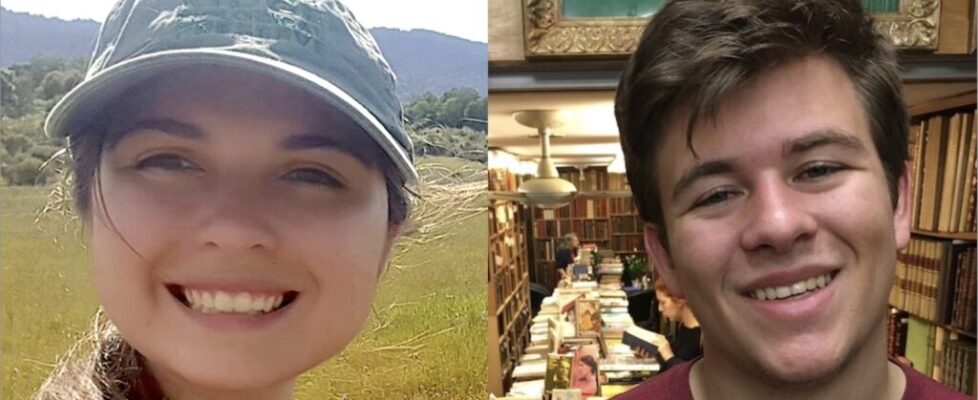
Wonderfest Science Envoys are early-career researchers with special communication skills and aspirations. Following short talks on provocative modern science topics, these two Science Envoys will answer questions with insight and enthusiasm:
• Stanford paleobiologist Dr. Maria Viteri on Exhuming the Dead to Save the Living — Earth is experiencing a crisis in biodiversity. Surprisingly, the fossil record offers key insights for understanding this crisis, and one scientist’s lifelong fascination with dinosaurs — leading to a career in conservation biology — is helping to combat the biodiversity challenge of the present … and of the future.
• UC Berkeley astrophysicist Tyler Cox on Creating the Largest-Ever Maps of the Universe — New datasets from the James Webb Space Telescope have begun to reveal some of the oldest known galaxies in the universe. But what lies beyond these extremely remote objects, and what more can we learn by going deeper? Next-generation experiments are working to map the most distant regions of the universe to help explain the origins of the first galaxies.
Berkeley Public Library [https://www.berkeleypubliclibrary.org]
This free, online, science presentation is produced by Wonderfest in partnership with the Berkeley Public Library.
What value do these science insights have for you? Accordingly, please consider making a donation to nonprofit Wonderfest via the Eventbrite box, below. (Note: No "sales" or "tickets" are involved; it's just a thoughtful contribution to help Wonderfest promote science understanding and the scientific outlook.)
Spider Love; Dark Matter – Mar 15
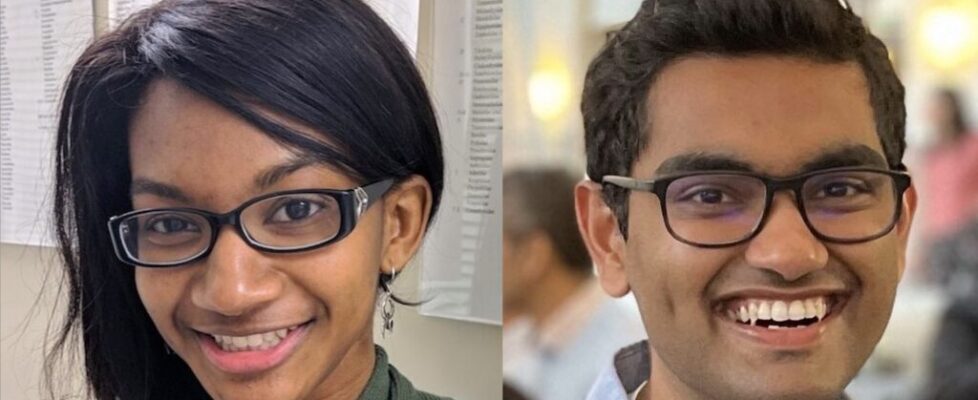
Wonderfest Science Envoys are early-career researchers with special communication skills and aspirations. Following short talks on provocative modern science topics, these two Science Envoys will answer questions with insight and enthusiasm:
• UC Berkeley arachnologist Trinity Walls on Creepy or Captivating: A Spider Scientist’s Perspective — How have recent discoveries about spiders changed beliefs that have been passed down for generations? Can we see that the study of spiders is beneficial to society? One person’s life-long journey — from curious child to rigorous researcher — reveals spider science to be an avenue of creative self-expression that offers rich insights into nature.
• Stanford physicist Jyotirmai “Joe” Singh on Exploring the Dark Side of the Universe — Deeply mysterious dark matter constitutes a staggering 85% of the material universe. What is the evidence for dark matter’s ubiquitous existence, yet why has it been so difficult to detect in the laboratory? Cutting-edge theories and experiments within modern physics do give us hope that we can understand dark matter, unlocking key mysteries of the cosmos.
Berkeley Public Library [https://www.berkeleypubliclibrary.org]
This free, online, science presentation is produced by Wonderfest in partnership with the Berkeley Public Library.
What value do these science insights have for you? Accordingly, please consider making a donation to nonprofit Wonderfest via the Eventbrite box, below. (Note: No "sales" or "tickets" are involved; it's just a thoughtful contribution to help Wonderfest promote science understanding and the scientific outlook.)
Plant Immunity; Exoplanets – Mar 30
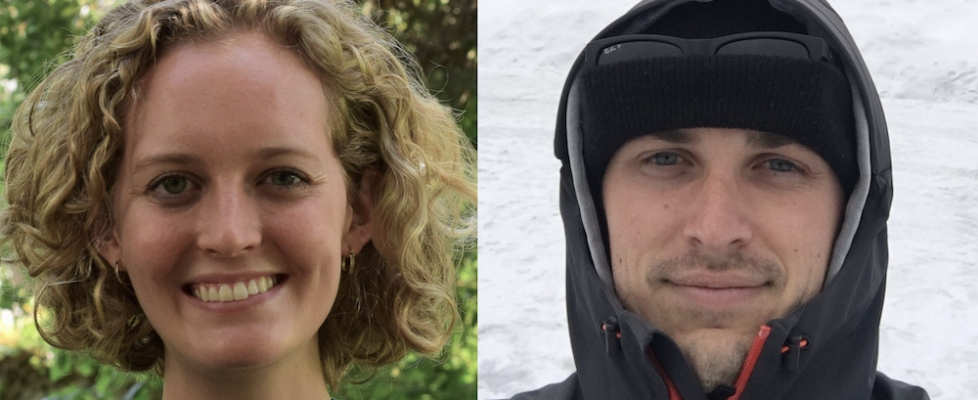
Wonderfest Science Envoys are early-career researchers with special communication skills and aspirations. Following short talks on provocative modern science topics, these two Science Envoys will answer questions with insight and enthusiasm:
• UC Berkeley plant biologist Chandler Sutherland on It’s Not Easy Staying Green: Understanding Plant Immune Systems — Every day, plants resist an onslaught of viruses, bacteria, fungi, and herbivores. However, plants can’t make antibodies or move immune cells around with a circulatory system, as we can. Understanding plant immune systems teaches us about how human immunity evolved, and is helping us learn how to protect our agricultural crops against disease.
• Stanford astrophysicist Alex Madurowicz on Imaging Extrasolar Planets — Technical advancements in the next decade will enable telescopic observation of smaller and fainter worlds that orbit other stars, including Earth-like planets. Going further, bold concepts for the next century completely reimagine the concept of a telescope — allowing resolution of details like continents, forests, and even extraterrestrial cities.
This event is free. But what value do these science insights have FOR YOU? Accordingly, please use the space below to contribute to nonprofit Wonderfest, and help to promote the scientific outlook broadly — as through our outstanding Science Envoy Program.
The Physics of Time Travel, Jan 9
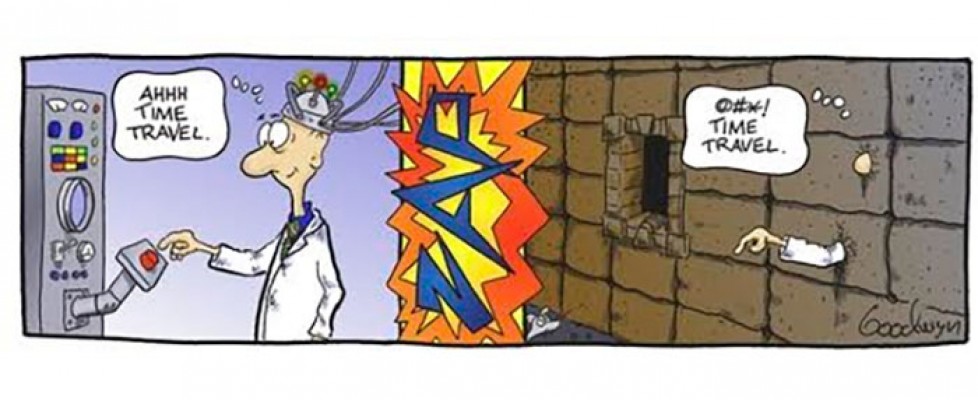
 Is time travel science fiction, or a plausible reality? The idea of time travel has intrigued writers and scientists for over a century, with fictional storylines and scientific paradoxes that somehow still resist our full understanding. Physics professor and award-winning science fiction author Ken Wharton will use popular movies as a framework to outline several distinct categories of consistent time travel stories — making connections with actual physics wherever possible.

- WHAT: The Physics of Time Travel
- WHO: Ken Wharton, Professor of Physics & Astronomy, San José State University
- WHEN: 8:00 PM, Saturday, January 9, 2016
- WHERE: Chabot Space & Science Center, 10000 Skyline Blvd, Oakland, CA 94619
- HOW: Purchase tickets http://bit.ly/1U27Bbs
- WHY: Because we’re curious creatures.
——————————–
Wonderfest works every day to promote the scientific outlook. For as little as $1/month, why not become a Wonderfest Patron? As the Medici family were patrons of popular art in old Italy, you can become a patron of popular science and rationality in the modern Bay Area. (And you’ll get that tax-deduction that the Medici never did!) Please become a regular supporter of Wonderfest, and help enlarge the concept of scientific community.
Become a Wonderfest Patron: http://www.patreon.com/wonderfest
Make a one time donation: http://wonderfest.org/donate
If you shop at Amazon.com, why not shop at AmazonSmile? It doesn’t cost you a dime extra, selection and prices are the same, and a small percent supports Wonderfest and science!
http://amazon.wonderfest.org.
Watch more videos: http://videos.wonderfest.org
Join us on:
http://facebook.com/wonderfest
http://twitter.com/wonderfest
The Official Houdini Séance – Halloween!
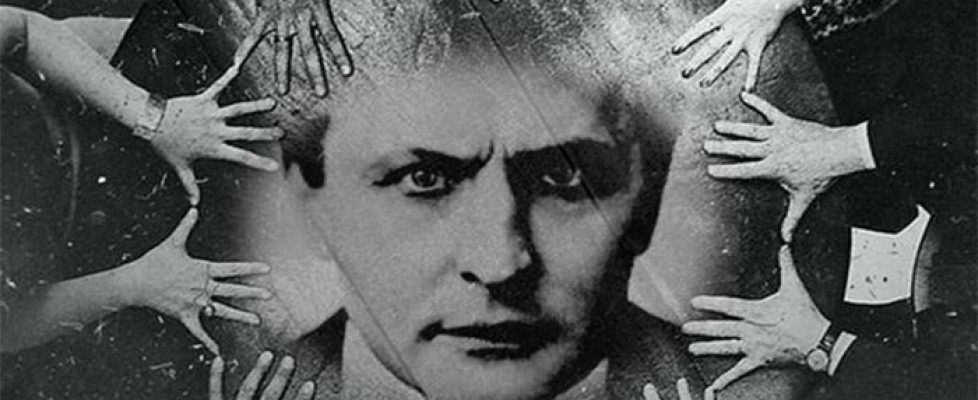
- WHAT: The Official Houdini Séance, part of the Bay Area Science Festival
- WHO: Skeptic Michael Shermer, Magician Jamy Ian Swiss, UCSF Neuroscientist Melina Uncapher, ?The Ghost of Harry Houdini?, et al
- WHEN: 8:00 PM, Saturday, October 31 (HALLOWEEN!), 2015
- WHERE: Brava Theater, 2781 – 24th Street, San Francisco, CA 94110
- HOW: Produced by Wonderfest, Robert Strong, and the Bay Area Skeptics.
- TICKETS: Only via the Brava Theater box office
- WHY: Because we’re curious creatures.
BIG THANKS to these generous donors for supporting Wonderfest through the Official Houdini Séance Kickstarter campaign:
——————————–
Wonderfest works every day to promote the scientific outlook. For as little as $1/month, why not become a Wonderfest Patron? As the Medici family were patrons of popular art in old Italy, you can become a patron of popular science and rationality in the modern Bay Area. (And you’ll get that tax-deduction that the Medici never did!) Please become a regular supporter of Wonderfest, and help enlarge the concept of scientific community.
Become a Wonderfest Patron: http://www.patreon.com/wonderfest
Make a one time donation: http://wonderfest.org/donate
If you shop at Amazon.com, why not shop at AmazonSmile? It doesn’t cost you a dime extra, selection and prices are the same, and a small percent supports Wonderfest and science!
http://amazon.wonderfest.org.
Watch more videos: http://videos.wonderfest.org
Join us on:
http://facebook.com/wonderfest
http://twitter.com/wonderfest
Skepticism and the Supernatural, a Halloween dialogue – Oct 31
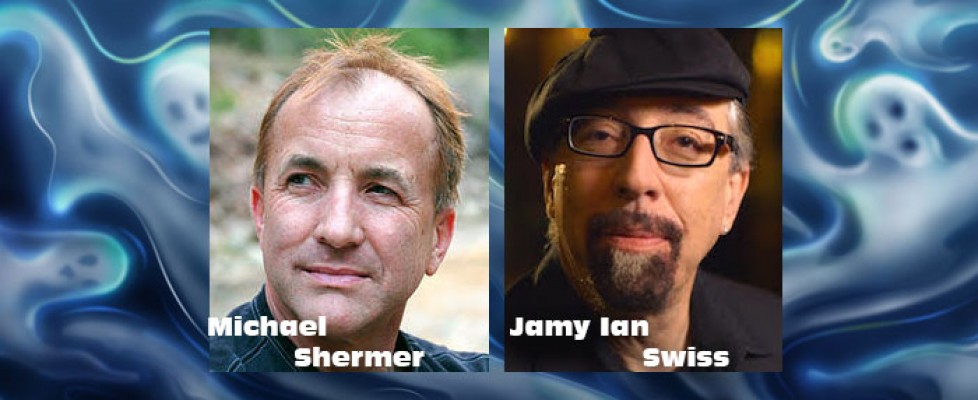
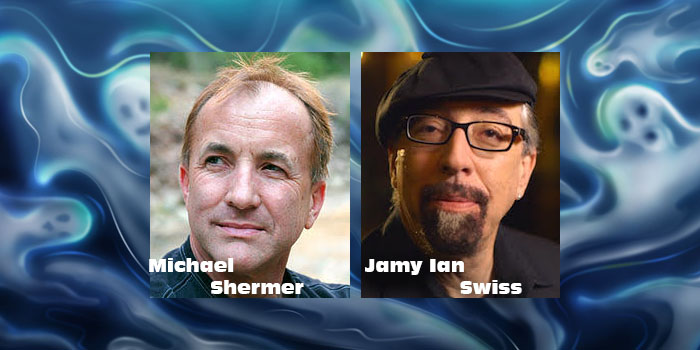 Halloween is the perfect day for a deep and magical dialogue on the supernatural! Michael Shermer is the founder of The Skeptics Society, and monthly contributor to Scientific American magazine. He has written over a dozen books, including The Moral Arc and Why People Believe Weird Things, and he has appeared on The Colbert Report, Dateline, and Charlie Rose. Jamy Ian Swiss is a world-renowned magician and skeptic. He has been featured in print in The New Yorker and Vanity Fair, and on television on 48 Hours, PBS’s NOVA, The Today Show, AND he was a comedy writer and chief magic consultant for Penn & Teller. Please join Shermer and Swiss as they discuss the supernatural — on Halloween — with science and skepticism in mind.
- WHAT: Skepticism and the Supernatural, a Halloween dialogue
- WHO: Michael Shermer and Jamy Ian Swiss
- WHEN: 5:00 PM, Saturday, October 31, 2015
- WHERE: Brava Theater, 2781 – 24th Street, San Francisco, CA 94110
- HOW: Produced by Wonderfest and the Bay Area Skeptics as part of the Bay Area Science Festival.
- TICKETS: Below
- WHY: Because we’re curious creatures.
——————————–
Wonderfest works every day to promote the scientific outlook. For as little as $1/month, why not become a Wonderfest Patron? As the Medici family were patrons of popular art in old Italy, you can become a patron of popular science and rationality in the modern Bay Area. (And you’ll get that tax-deduction that the Medici never did!) Please become a regular supporter of Wonderfest, and help enlarge the concept of scientific community.
Become a Wonderfest Patron: http://www.patreon.com/wonderfest
Make a one time donation: http://wonderfest.org/donate
If you shop at Amazon.com, why not shop at AmazonSmile? It doesn’t cost you a dime extra, selection and prices are the same, and a small percent supports Wonderfest and science!
http://amazon.wonderfest.org.
Watch more videos: http://videos.wonderfest.org
Join us on:
http://facebook.com/wonderfest
http://twitter.com/wonderfest
Revenge of the Dwarf Planet: What Really Happened to Pluto, Oct 26
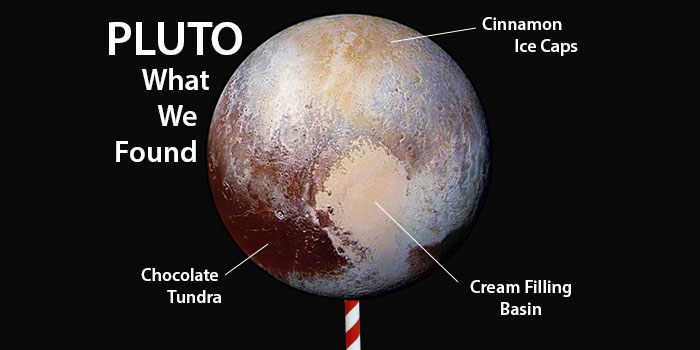 Celebrated public astronomer Andrew Fraknoi takes us behind the scenes on Pluto’s demotion to “dwarf planet,” explaining why its story might still turn out OK. In July, the New Horizons spacecraft flew by the double planet Pluto-Charon and gave us superb close-up views of both worlds for the first time. Though New Horizons data will keep coming to us for a whole year, Fraknoi will give an update on what we now know about these icy worlds at the outskirts of our solar system.
- WHAT: Revenge of the Dwarf Planet: What Really Happened to Pluto
- WHO: Andrew Fraknoi, Chair of the Astronomy Department, Foothill College
- WHEN: Monday, October 26 — 6:30pm check-in, 7:00pm program
- WHERE: Cubberley Theater, 4000 Middlefield Road, Palo Alto
- HOW: In association with Commonwealth Club Silicon Valley.
- WHY: Because we’re curious creatures.
Follow these steps to secure tickets discounted by $8:
1) Click “Enter promotional code” at lower right.
2) Enter the promo code WONDERFEST, and click “Apply.”
3) Discounted item will appear. Choose number of tickets.
4) Click “Order Now” to begin payment procedure.
——————————–
Wonderfest works every day to promote the scientific outlook. For as little as $1/month, why not become a Wonderfest Patron? As the Medici family were patrons of popular art in old Italy, you can become a patron of popular science and rationality in the modern Bay Area. (And you’ll get that tax-deduction that the Medici never did!) Please become a regular supporter of Wonderfest, and help enlarge the concept of scientific community.
Become a Wonderfest Patron: http://www.patreon.com/wonderfest
Make a one time donation: http://wonderfest.org/donate
If you shop at Amazon.com, why not shop at AmazonSmile? It doesn’t cost you a dime extra, selection and prices are the same, and a small percent supports Wonderfest and science!
http://amazon.wonderfest.org.
Watch more videos: http://videos.wonderfest.org
Join us on:
http://facebook.com/wonderfest
http://twitter.com/wonderfest
Wonderfest’s “Cosmic NightLife” at the California Academy of Sciences, Oct 22
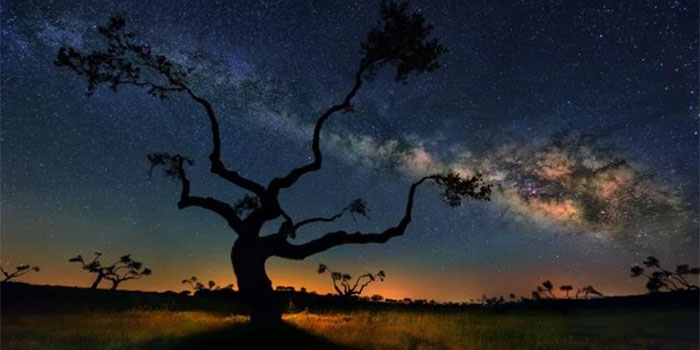 Whether you’re a NightLife regular or rookie, Wonderfest’s Cosmic NightLife is not to be missed. It features three of the most exciting and insightful space experts in the Bay Area — and perhaps on planet Earth. Here’s the schedule and line-up:
- WHAT: Wonderfest’s “Cosmic NightLife” at the Cal Academy
- WHO: Alex Filippenko, UC Berkeley; Chris McKay, NASA-Ames; Dan Werthimer, UC Berkeley
- WHEN: 6:00 PM, Thursday, October 22
- WHERE: California Academy of Sciences, 55 Music Concourse Drive, Golden Gate Park, San Francisco
- TICKETS: Purchase tickets at this Cal Academy site
- WHY: Because we’re curious creatures.
——————————–
Wonderfest works every day to promote the scientific outlook. For as little as $1/month, why not become a Wonderfest Patron? As the Medici family were patrons of popular art in old Italy, you can become a patron of popular science and rationality in the modern Bay Area. (And you’ll get that tax-deduction that the Medici never did!) Please become a regular supporter of Wonderfest, and help enlarge the concept of scientific community.
Become a Wonderfest Patron: http://www.patreon.com/wonderfest
Make a one time donation: http://wonderfest.org/donate
If you shop at Amazon.com, why not shop at AmazonSmile? It doesn’t cost you a dime extra, selection and prices are the same, and a small percent supports Wonderfest and science!
http://amazon.wonderfest.org.
Watch more videos: http://videos.wonderfest.org
Join us on:
http://facebook.com/wonderfest
http://twitter.com/wonderfest
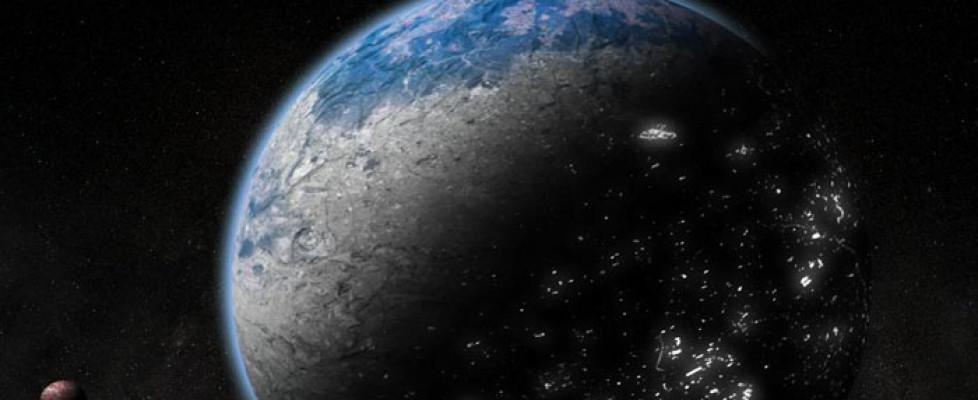
Breakthrough Listen: Grand New Search for ET, Oct 17
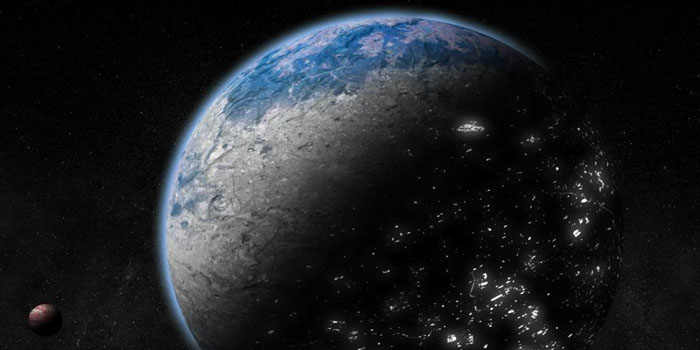 The Breakthrough Prize Foundation has committed $100 Million to UC Berkeley and other institutions for the most comprehensive Search for Extraterrestrial Intelligence (SETI) ever conducted. Chief Scientist of Berkeley SETI, Dan Werthimer, will describe the rationale for past and future searches, and will show how new technologies are revolutionizing SETI.
- WHAT: Breakthrough Listen: Grand New Search for ET
- WHO: Dan Werthimer, Chief Scientist, UC Berkeley SETI
- WHEN: 7:30 pm, Saturday, October 17, 2015
- WHERE: Cushing Memorial Amphitheater, Mount Tamalpais State Park <http://goo.gl/maps/iRRFR
> - HOW: Admission is FREE. Bring a flashlight, and, just in case, wear warm clothes in layers. If bad weather threatens, call 415-455-5370 after 4pm. This event is presented in collaboration with Mount Tamalpais State Park, Friends of Mt. Tam, San Francisco Amateur Astronomers, and the Mt. Tam Astronomy Programs.
- Kindly consider supporting Wonderfest, below.
- WHY: Because we’re curious creatures.
——————————–
Wonderfest works every day to promote the scientific outlook. For as little as $1/month, why not become a Wonderfest Patron? As the Medici family were patrons of popular art in old Italy, you can become a patron of popular science and rationality in the modern Bay Area. (And you’ll get that tax-deduction that the Medici never did!) Please become a regular supporter of Wonderfest, and help enlarge the concept of scientific community.
Become a Wonderfest Patron: http://www.patreon.com/wonderfest
Make a one time donation: http://wonderfest.org/donate
If you shop at Amazon.com, why not shop at AmazonSmile? It doesn’t cost you a dime extra, selection and prices are the same, and a small percent supports Wonderfest and science!
http://amazon.wonderfest.org.
Watch more videos: http://videos.wonderfest.org
Join us on:
http://facebook.com/wonderfest
http://twitter.com/wonderfest