Finding the Wild – May 23
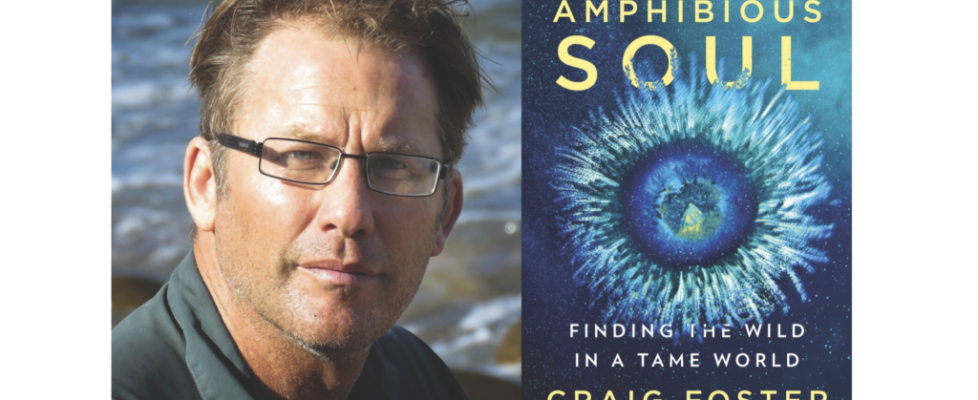
Naturalist Craig Foster has explored and studied some of Earth’s wildest environments. He has also experienced the demands of professional life in our big cities — experiences that might tend to deaden a capacity to appreciate natural beauty. Foster’s latest book, Amphibious Soul: Finding the Wild in a Tame World, vividly addresses the challenge of staying open to the wonders of nature. Of the book, Jane Goodall wrote, “[It] will transform how we think about being human … [and] inspire hope.” In this Commonwealth Club conversation, Foster will help us understand how to attend to earthly beauty and deepen our love for all living things.
Craig Foster is one of Earth’s leading nature filmmakers. Foster’s My Octopus Teacher won the 2021 Academy Award for Best Documentary. We can participate in this Commonwealth+Wonderfest event either in person or online.

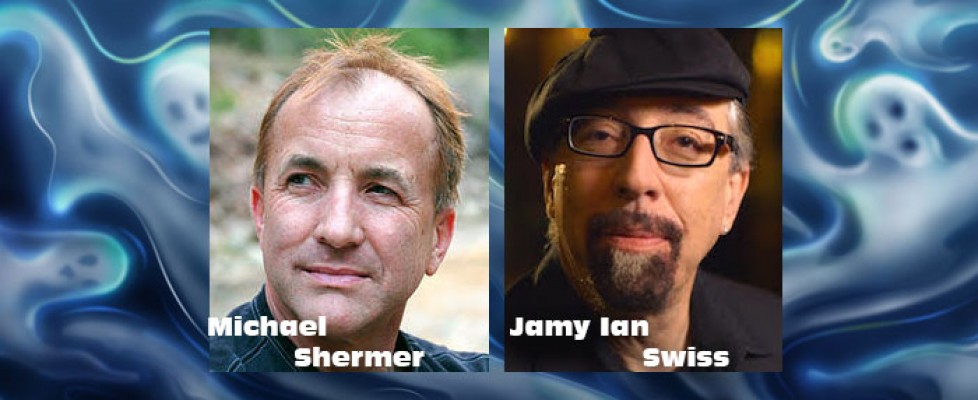
 Halloween is the perfect day for a deep and magical dialogue on the supernatural! Michael Shermer is the founder of The Skeptics Society, and monthly contributor to Scientific American magazine. He has written over a dozen books, including The Moral Arc and Why People Believe Weird Things, and he has appeared on The Colbert Report, Dateline, and Charlie Rose. Jamy Ian Swiss is a world-renowned magician and skeptic. He has been featured in print in The New Yorker and Vanity Fair, and on television on 48 Hours, PBS’s NOVA, The Today Show, AND he was a comedy writer and chief magic consultant for Penn & Teller. Please join Shermer and Swiss as they discuss the supernatural — on Halloween — with science and skepticism in mind.
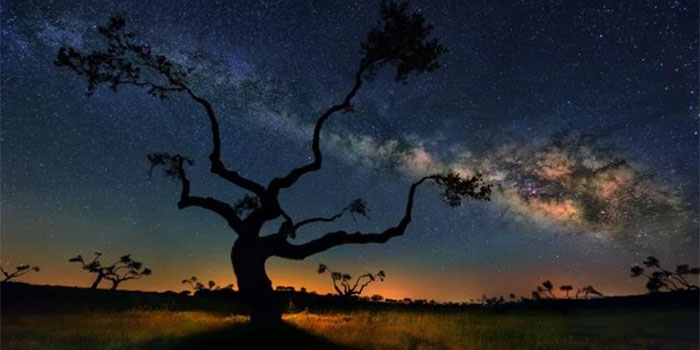 Whether you’re a NightLife regular or rookie, Wonderfest’s Cosmic NightLife is not to be missed. It features three of the most exciting and insightful space experts in the Bay Area — and perhaps on planet Earth. Here’s the schedule and line-up:
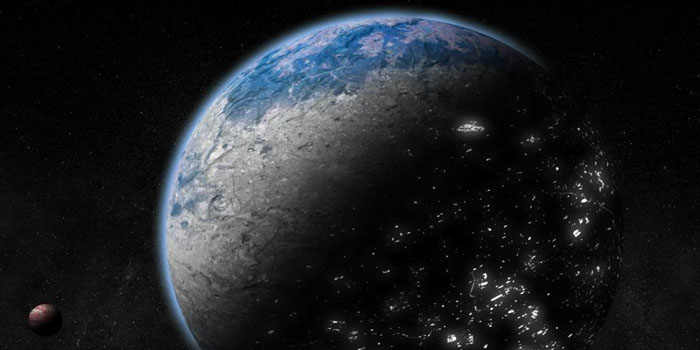
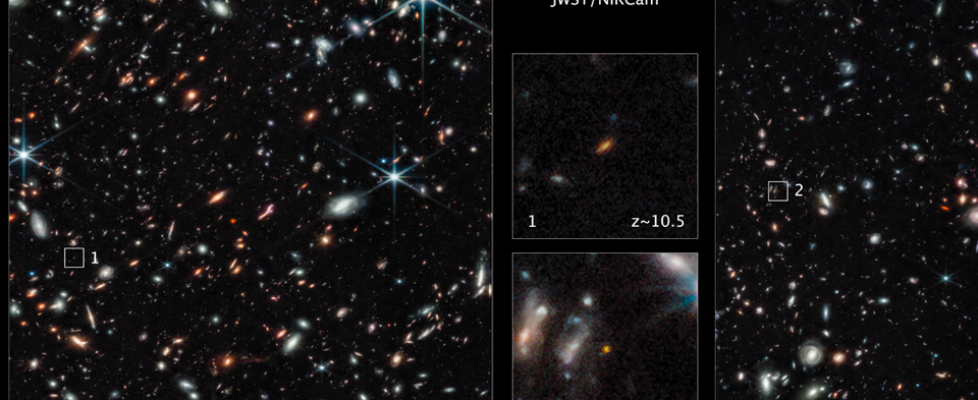
 Join us for a fascinating journey through the early universe using the latest computer animations of early star formation, supernova explosions, and the build-up of the first galaxies. Dr. Abel’s work has shown that the first luminous objects in the universe were very massive stars shining one million times as brightly as our Sun. They died quickly and seeded the cosmos with the chemical elements necessary for life. One star at a time, galaxies started to assemble just one hundred million years after the Big Bang, and they are still growing now. Computer simulations of these events use the physics of dark matter, of ordinary atoms & molecules, and of expanding space to deliver remarkable insights into the early history of the cosmos.