Cambrian Explosion – June 23
Charles Darwin was deeply troubled by the sudden appearance of complex animal life during the Cambrian Explosion about half a billion years ago, animal evolution’s Big Bang. He felt the sudden appearance of such diverse animal body-plans was inexplicable, fearing that it was the Achilles heel of his theory. What do we now know of this spectacular event? Drawing on the fossil record, ecology, developmental biology, genetics, and computer simulation, can we understand how and why the Cambrian Explosion occurred?
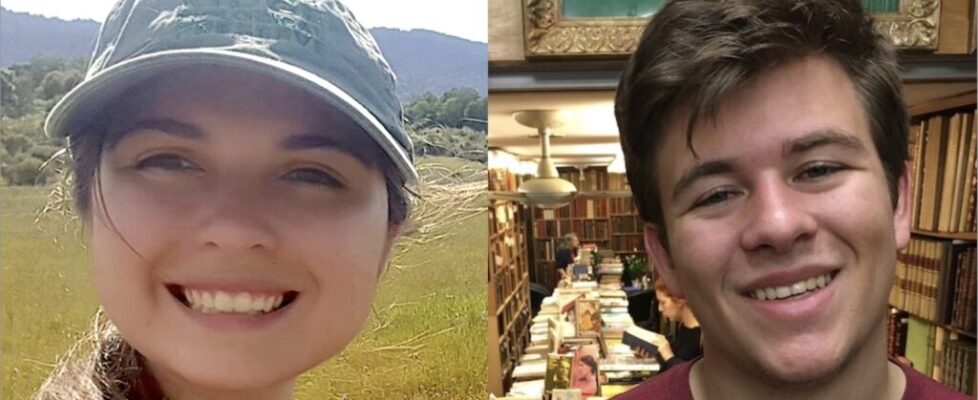
Our Wonderfest speaker, Dr. Charles Marshall, is Distinguished Professor of Integrative Biology at UC Berkeley. He is also Director of the University of California Museum of Paleontology.

Dr. Charles Marshall
WHAT: Animal Evolution's Big Bang: The Cambrian Explosion
WHO: Dr. Charles Marshall, Distinguished Professor of Integrative Biology, UC Berkeley [https://ucmp.berkeley.edu/people/charles-marshall/]
WHERE: HopMonk Tavern, 224 Vintage Way, Novato CA 94945 [https://www.hopmonk.com/novato]
WHEN: Tuesday, June 23, 2026 — 7pm (1.5 hr)
HOW: This event is free and unticketed ... and valuable. But what value does it have FOR YOU (and, indirectly, for society)? Accordingly, please use the DONATE button (below) to support Wonderfest in its nonprofit mission to share the scientific outlook.