
Elements & Fairness – Apr 28
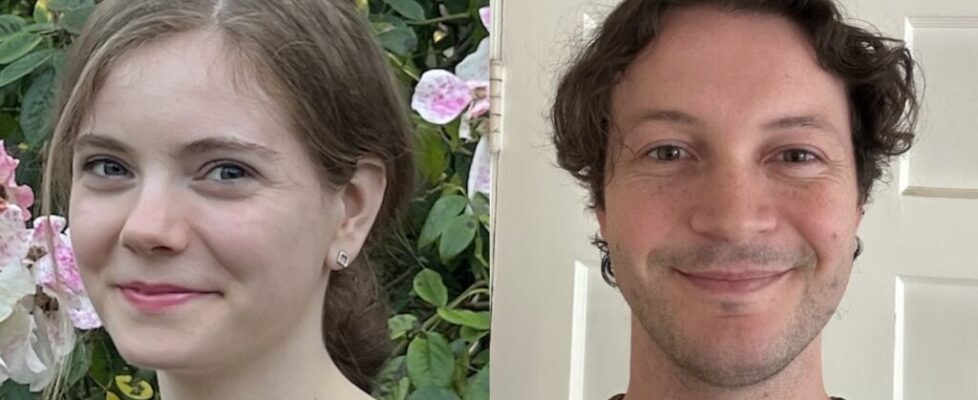
Wonderfest Science Envoys are early-career researchers with enhanced communication skills and aspirations. Following short talks on provocative modern science topics, these two Science Envoys will answer questions with insight and enthusiasm:
• UC Berkeley astronomer Natalie LeBaron on Origins of the Elements — From the oxygen we breathe to the gold in our jewelry and the calcium in our bones, most periodic table elements are forged by stars. How does the universe transforms simple hydrogen into the rich diversity of atoms that build planets, life, and everything we see around us? Beginning their lives in vast clouds of gas and ending in massive explosions, every star in the night sky creates and scatters ingredients for new worlds.
• UC Berkeley psychologist Colin Jacobs on Children’s Sense of Fairness — Our motivation to enact fairness shapes human behavior across societal and individual levels: from outrage at economic inequalities, to personal protest against not being considered in a discussion. As parents and teachers know, our motivation to insist upon fairness starts early, often through shouts of “that’s not fair,” or very strict regulation of turn-taking. What motivates children to object to unfairness, and how does this moral impulse develop throughout early childhood?
This interactive science presentation, free and unticketed, is produced by Wonderfest in partnership with Marin Science Seminar.
Marin Science Seminar [https://marinscienceseminar.com]

Animal Behavior – Apr 26
Dr. Eileen Lacey
Cameo Cinema [https://www.cameocinema.com/movie/hoppers-science-in-cinema-event]
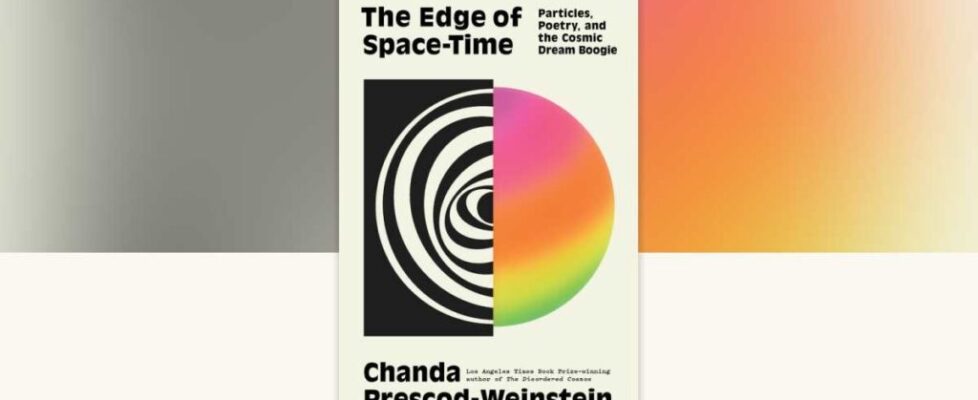
The Edge of Space-Time – Apr 21
Dr. Chanda Prescod-Weinstein
BookShop West Portal [https://www.eventbrite.com/e/the-edge-of-space-time-particles-poetry-the-cosmic-dream-boogie-tickets-1975628419786]
Cosmology & Evolution – Apr 14
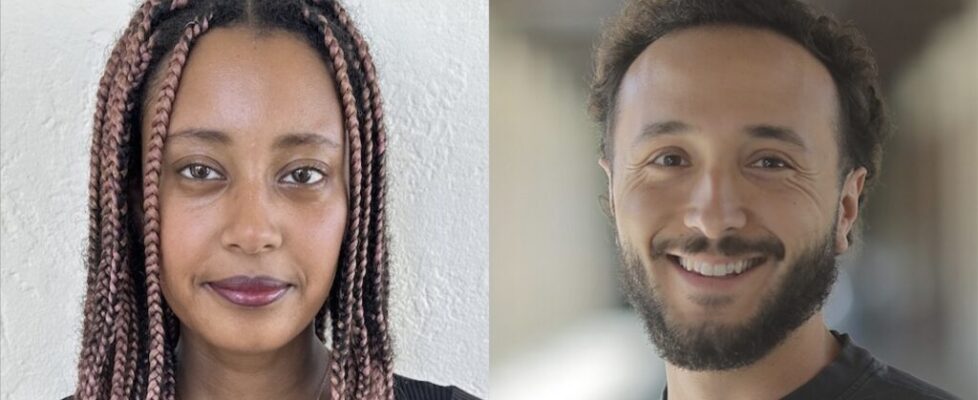
Wonderfest Science Envoys are early-career researchers with enhanced communication skills and aspirations. Following short talks on provocative modern science topics, these two Science Envoys will answer questions with insight and enthusiasm:
• Stanford physicist Mahlet Shiferaw on Learning Cosmology from Galaxies — The Universe is shaped by an invisible “cosmic web” of dark matter that guides where galaxies form. By comparing observations of galaxies to predictions from models, we can probe the nature of dark matter and dark energy. Cosmologists are now developing new modeling and inference techniques to unlock even more information from upcoming galaxy surveys.
• Stanford biologist Sebastian Somolinos on Give Evolution a Chance — When was the last time you watched evolution happen? Evolution is nature’s most powerful problem solver, yet creatures like horseshoe crabs remind us that it can also be slow and stubbornly conservative. To unlock evolution’s full creative potential, and to appreciate evolution more fully, we must learn how to accelerate it. We need to give evolution a chance.
This interactive science presentation, free and unticketed, is produced by Wonderfest in partnership with Marin Science Seminar.
Marin Science Seminar [https://marinscienceseminar.com]
“Hail Mary” Science – Mar 26
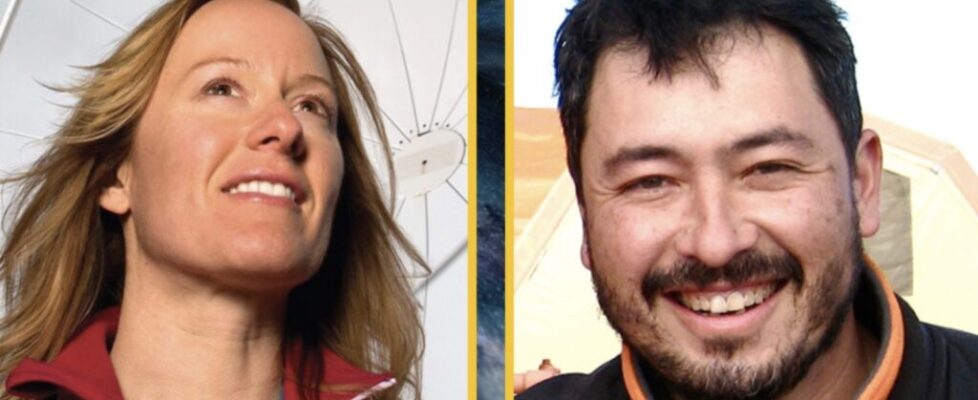
Commonwealth Club World Affairs of California and the SETI Institute
Cosmic Life, Human Heart – Mar 24
Dr. Maggie Turnbull

Pulsars & Blindness – Mar 10
Wonderfest Science Envoys are early-career researchers with enhanced communication skills and aspirations. Following short talks on provocative modern science topics, these two Science Envoys will answer questions with insight and enthusiasm:
• Stanford physicist Maya Beleznay on Weighing Black Widow Pulsars — What would Robert Oppenheimer and a modern physicist have in common? Neither could tell you how many particles can fit in a city-size ball before collapsing into a black hole! Some neutron stars in our galaxy teeter on the edge of this maximum theoretical density. Observations of such “black widow pulsars” allow us to explore a regime of physics that cannot be probed in a lab on Earth.
• UC Berkeley vision scientist Lawrence Man on Retinal Remodeling in Degenerative Blindness — As our eyes’ light-sensitive cells begin to die, downstream retinal neurons undergo physiological changes. Unfortunately, this neural remodeling negatively affects the electrical properties of neurons, interfering with vision. Dedicated researchers are developing strategies and restorative technologies to overcome this retinal remodeling.
This interactive science presentation, free and unticketed, is produced by Wonderfest in partnership with Marin Science Seminar.
Marin Science Seminar [https://marinscienceseminar.com]

Multi-Messenger Astronomy – Feb 24
Dr. Raffaella Margutti
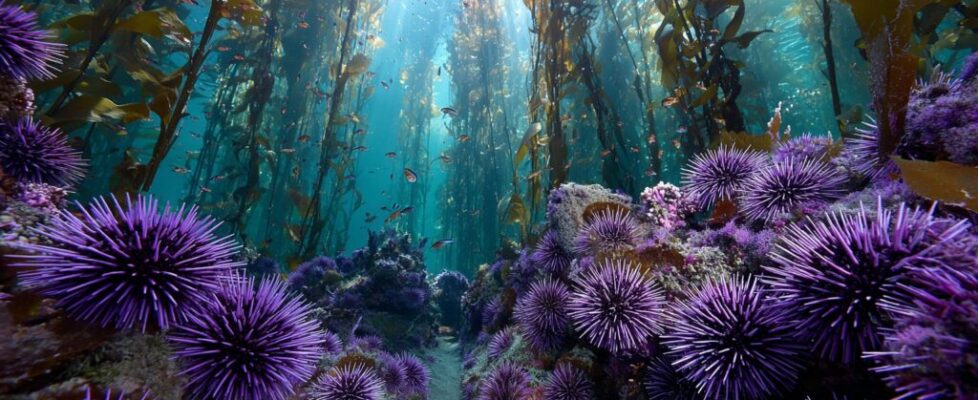
Sea Zombies – Feb 10
Dr. Daniel Okamoto
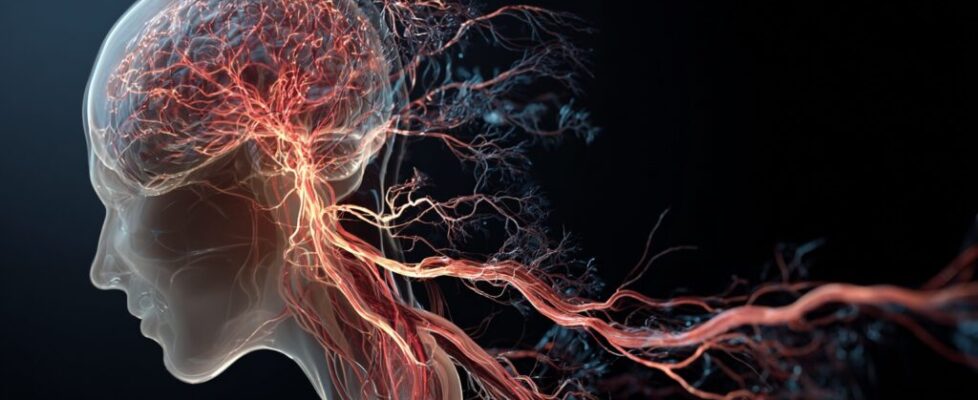
Physiology of Consciousness – Jan 27
Dr. Art Wallace
Evolution of Consciousness – Jan 13
Dr. Mariel Goddu
Precious Science – Dec 16
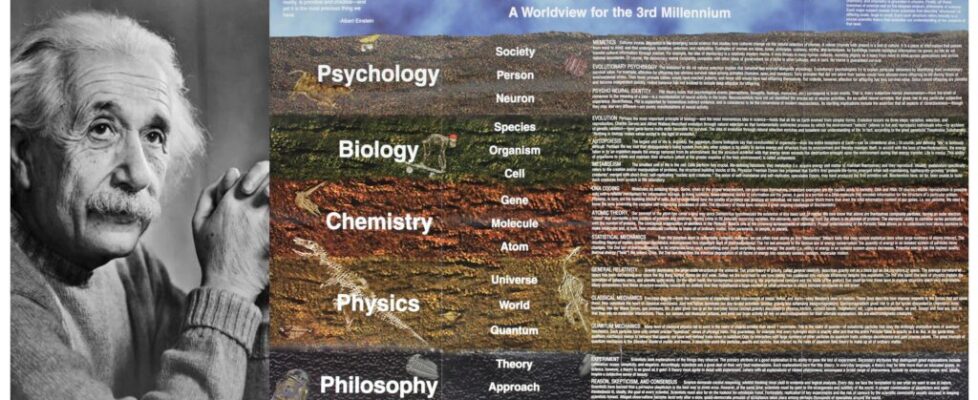
Albert Einstein: “One thing I have learned in a long life: that all our science, measured against reality, is primitive and childlike — and yet it is the most precious thing we have.” This quotation graces the very top of Wonderfest’s large-format Layers of Scientific Understanding (LoSU) poster. In the spirit of holiday appreciation, this special year-end Wonderfest event will review — with much audience participation — each of the fifteen layers within this wonderful graphic depiction of Einstein’s “most precious thing.” Published in the year 2001, and distributed to every high school science department in the Bay Area, the LoSU poster celebrates science as “a worldview for the 3rd millennium” … perhaps with principles that last for eternity.
Tucker Hiatt
Math and Magic – Dec 2
Dr. Tori Noquez
Origin of Life – Nov 18
It’s an age-old question: How did life come about? Even the simplest creatures that exhibit the two hallmarks of life, namely metabolism and replication, are astoundingly complex. While the search for life’s origin has fascinated humans for centuries, recent breakthroughs point us in a more conclusive direction, and have remarkable implications. Among important side insights are the unexpected similarities between prebiotic and human innovation, and the central role that energy and information have played in transforming the planet over the last 4 billion years, leading right up to the present climate crisis.
Our Wonderfest speaker, Dr. Charles Marshall, is Distinguished Professor of Integrative Biology at UC Berkeley. He is also Director of the University of California Museum of Paleontology.
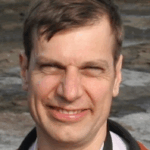
Dr. Charles Marshall

Three Intelligences – Oct 28
A common model of AI suggests that there is a single measure of intelligence, often called AGI, and that AI systems are agents who can possess more or less of this intelligence. Cognitive science, in contrast, suggests that there are multiple forms of intelligence and that these intelligences trade-off against each other and have a distinctive developmental profile and evolutionary history. Exploitation (the pursuit of goals, resources, and utilities) characterizes adult cognition. However, exploration (seeking information about the world) characterizes childhood cognition, and empowerment (of others, through care and teaching) characterizes cognition in elderhood. The combination of these three different kinds of intelligence, across the course of a life, explains human success.
Our Wonderfest speaker, Dr. Alison Gopnik, is Distinguished Professor of Psychology at UC Berkeley. She is also Affiliate Professor of Philosophy at Cal, and a member of the Berkeley AI Research Group. In 2021, Dr. Gopnik received Wonderfest’s Carl Sagan Prize for Science Popularization.
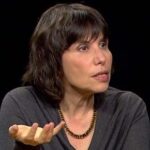
Dr. Alison Gopnik
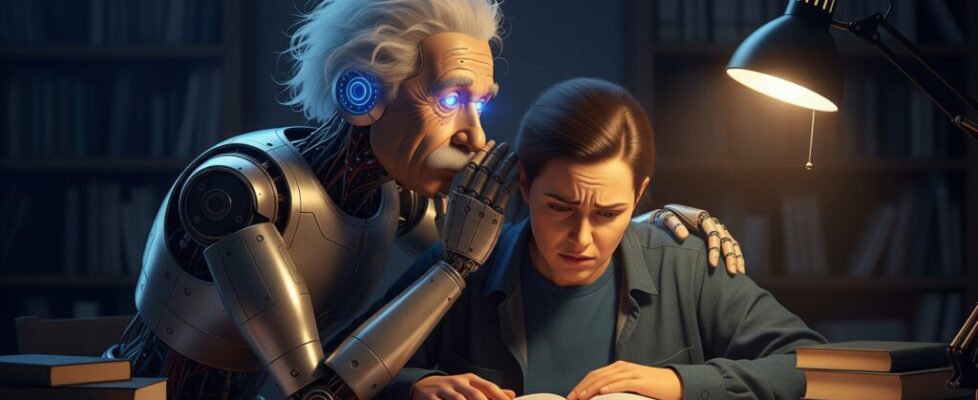
AI for Learning – Sep 30
AI tools are everywhere now, promising to help us write, solve, understand, and create faster and more easily than ever. But there is a growing concern: Are these tools actually helping us learn, or just making it look or feel like we know something? Can we develop AI systems to support deep human learning? Truly useful systems don’t just give answers, but help us to build metacognitive skills to think critically, reflect, and adapt as we learn.
Our Wonderfest speaker, Dr. Kelsey Urgo, is Assistant Professor of Computer Science at the University of San Francisco.
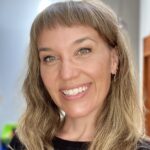
Dr. Kelsey Urgo

Sleep & Recovery – Sep 16
Diet, exercise, connection, and sleep are four key determining factors in human health. Sleep, in particular, plays a critical role in recovery and resilience. Fortunately, recent eye-opening (*ahem*) research can help us harness sleep science to improve everyday life and long-term health.
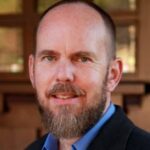
Our Wonderfest speaker, Greg Tranah, PhD, is Professor of Epidemiology & Biostatistics at UC San Francisco. He is also Senior Scientist at California Pacific Medical Center Research Institute.
Dr. Gregory Tranah

Fusion Energy – Aug 12
Fusion research aims to bring sun-like energy production safely to Earth. Recent advances have been momentous, including scientific breakthroughs at Lawrence Livermore Lab’s National Ignition Facility, where Earth’s most energetic lasers drive hydrogen atoms to fuse in a controlled thermonuclear reaction. What challenges remain as we work to put the world’s first fusion power plant on the grid?
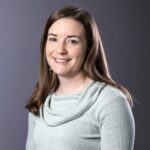
Our Wonderfest speaker is Ellie Tubman, Assistant Professor of Nuclear Engineering at UC Berkeley. Dr. Tubman was Research Associate at the UK’s Imperial College, London.
Dr. Ellie Tubman
Smartphone Seismology & Histamine Neurology – May 27
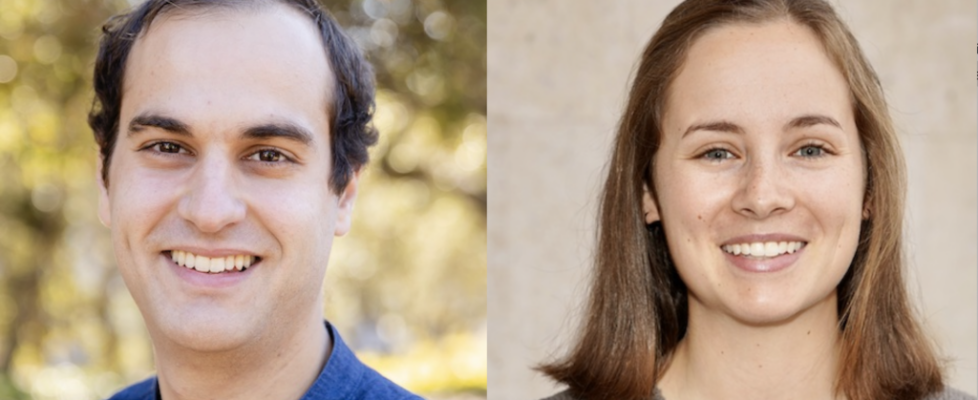
Wonderfest Science Envoys are early-career researchers with enhanced communication skills and aspirations. Following short talks on provocative modern science topics, these two Science Envoys will answer questions with insight and enthusiasm:
• UC Berkeley seismologist Savvas Marcou on Smartphones Map Ground Shaking in Our Neighborhoods — California is earthquake country. Everyone would love to know how much shaking the next temblor will deliver to their neighborhood. Fortunately, the humble smartphone, available in everyone’s pockets, can record and map ground shaking patterns in unprecedented resolution, and may transform how we think about the next big earthquake.
• Stanford neuroscientist Ashley Moses on Rethinking Histamine: From Molecule to Motivation — Though primarily known for its role in allergies, histamine influences cognition, mood, and sleep, as well. In fact, this understudied molecule is indispensable for brain health. By studying histamine’s role in motivated behaviors, we can uncover groundbreaking insights into neurological problems like depression, Parkinson’s Disease, and stress disorders.
This interactive science presentation, free and unticketed, is produced by Wonderfest in partnership with Marin Science Seminar.
Marin Science Seminar [https://marinscienceseminar.com]
AI Memorization; Frog Secrets – May 13
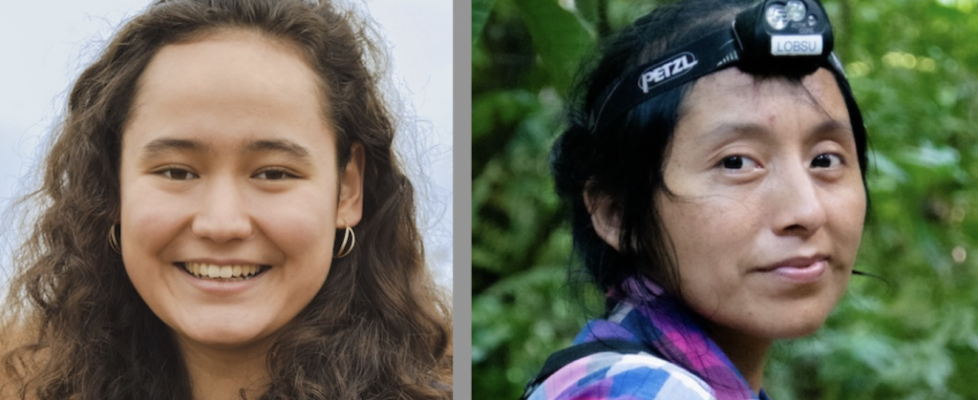
Wonderfest Science Envoys are early-career researchers with enhanced communication skills and aspirations. Following short talks on provocative modern science topics, these two Science Envoys will answer questions with insight and enthusiasm:
• Stanford computer scientist Nicole Meister on Has ChatGPT Memorized the Internet? — Large Language Models (LLMs), such as ChatGPT, have recently gained widespread popularity. Trained on vast amounts of internet data, these AI models raise important questions about the nature of their responses: are they truly synthesized or simply memorized? Researchers can statistically evaluate this claim to reveal test set contamination in LLMs.
• Stanford biologist Jenni Serrano Rojas on Unraveling Frogs’ Secrets for Conservation — Biotelemetry tools are revolutionizing our study of animals, from the largest to the tiniest species. They reveal hidden animal interactions, critical living spaces, and essential resources. In poison frogs, in particular, biotelemetry affords insights that inform conservation strategies and help the species to respond to global change.
This interactive science presentation, free and unticketed, is produced by Wonderfest in partnership with Marin Science Seminar.
Marin Science Seminar [https://marinscienceseminar.com]