
Kilonova Metals & Cat Ecology – Apr 29
Wonderfest Science Envoys are early-career researchers with enhanced communication skills and aspirations. Following short talks on provocative modern science topics, these two Science Envoys will answer questions with insight and enthusiasm:
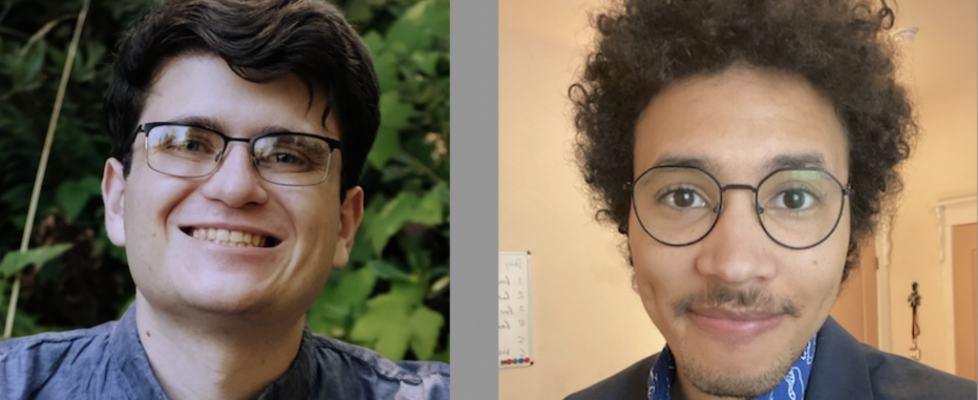
• UC Berkeley astrophysicist Daniel Brethauer on Astronomically Rocking Out to Heavy Metals — The gold in jewelry, the uranium in a nuclear power plant, the caesium in atomic clocks: what do these all have in common? It turns out they were likely forged in the fires of a cosmic explosion known as a kilonova. These extremely energetic events reveal the origins of the periodic table’s heaviest elements.
• UC Berkeley ecologist Tyus Williams on Unraveling the Ecology of Domestic Cats — What if one of our greatest companions is potentially one of our greatest threats? When free to roam, domestic cats can severely disrupt wildlife communities. However, understanding cats’ behavior and how they’re influenced by their surroundings can allow us to develop better conservation strategies.
This interactive science presentation, free and unticketed, is produced by Wonderfest in partnership with Marin Science Seminar.
Marin Science Seminar [https://marinscienceseminar.com]
Anthropocene Alarm; Partisan Contagion – Mar 18
Wonderfest Science Envoys are early-career researchers with enhanced communication skills and aspirations. Following short talks on provocative modern science topics, these two Science Envoys will answer questions with insight and enthusiasm:
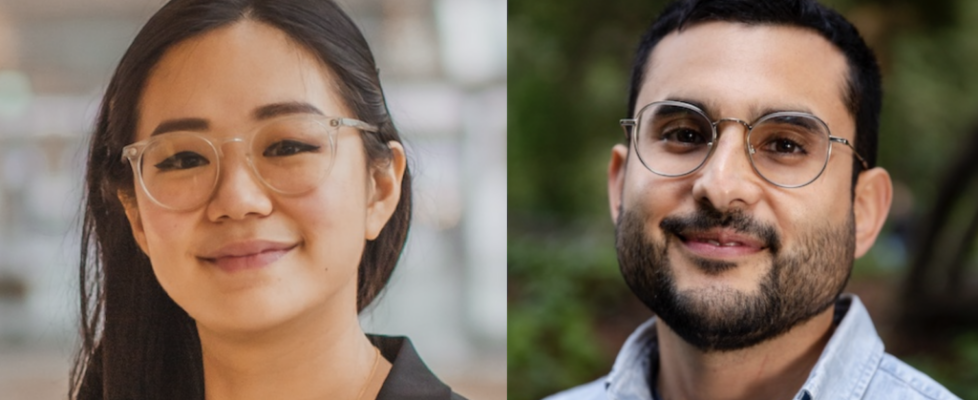
• UC Berkeley biologist Kristy Mualim on Genetic Biodiversity Loss in the Anthropocene — In the Anthropocene, the age of planet-wide human impact, activities like habitat destruction, pollution, and resource overuse cause rapid loss of genetic diversity. This loss makes it harder for plants and animals to adapt to changes in the environment, putting entire species at risk of extinction. Protecting genetic diversity is crucial for keeping ecosystems healthy, and for ensuring the survival of life on Earth.
• UC Berkeley demographer Chris Soria on Partisan Differences in the Spread of Disease — Political partisanship significantly influences how different groups respond to public health guidance, affecting their adherence to protective measures against infectious diseases. Understanding partisan-based disparities in acceptance of scientific evidence helps us to predict the population-wide spread of diseases, and to improve public health outcomes.
This interactive science presentation, free and unticketed, is produced by Wonderfest in partnership with Marin Science Seminar.
Marin Science Seminar [https://marinscienceseminar.com]
Stand Up for Science – Mar 7
Science is for everyone, and benefits everyone. But American science is in deep trouble. In a podcast entitled Cuts to Science Funding and Why They Matter, physicist and author Sean Carroll thunders that recent presidential executive orders constitute “an absolutely devastating blow to the way science gets done in the United States.” On Friday afternoon, March 7th, Wonderfest joins thousands of the thoughtful to Stand Up for Science at San Francisco’s Civic Center Plaza. Please join us!
Stand Up for Science is a grassroots organization led by five early-career scientists — along with many volunteers (like us) — who work to protect the American science enterprise.

Stand Up for Science
Map: [https://maps.app.goo.gl/LzyxmyVHZXSe9Zem6]
Stand Up for Science [https://standupforscience2025.org]
Life in a Breath – Mar 3
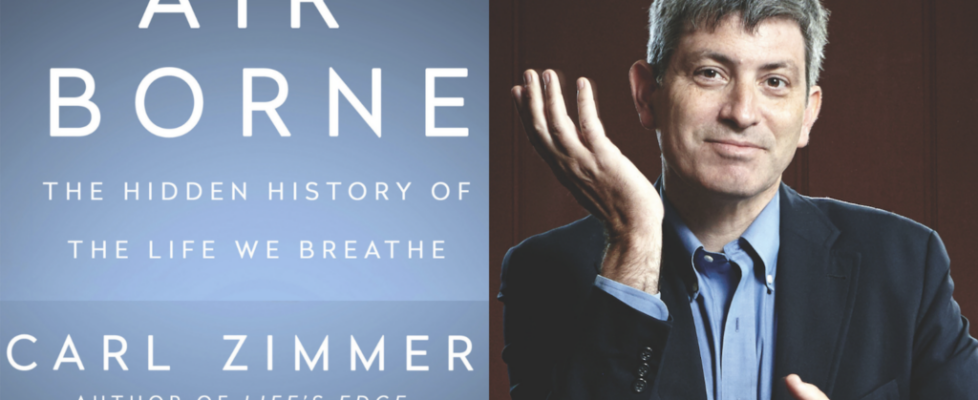
Earth’s air teems with invisible life. Each of us inhales roughly 100 gallons of air per hour, and the possible peril is, alas, anything but palpable: from gaseous pollutants to weaponized pathogens. The study of life in the atmosphere, aerobiology, is a particularly challenging subject. For example, scientists needed two years to finally agree that the Covid pandemic was caused by an airborne virus. Wonderfest joins the Commonwealth Club online to present science writer Carl Zimmer in discussion of his latest book, Air-Borne: The Hidden History of the Life We Breathe. The conversation will likely be breathtaking.
Carl Zimmer is the author of fifteen books about science, and his “Origins” column (on life’s diversity) appears regularly in the New York Times. Of Zimmer’s preceding book, Life’s Edge (2021), Nobel Laureate Jennifer Doudna wrote, “Carl Zimmer shows what a great suspense novel science can be. … Prepare to be enthralled.”
The Commonwealth Club of California
Use the "Tickets" link (below) to access the Commonwealth Club's event webpage. During online ticket purchase, use discount code WonderfestPromo for a ticket price reduction of $10, making this entire Carl Zimmer online experience FREE.
Black Holes; Kelp Forests – Feb 24
Wonderfest Science Envoys are early-career researchers with special communication skills and aspirations. Following short talks on provocative modern science topics, these two Science Envoys will answer questions with insight and enthusiasm:
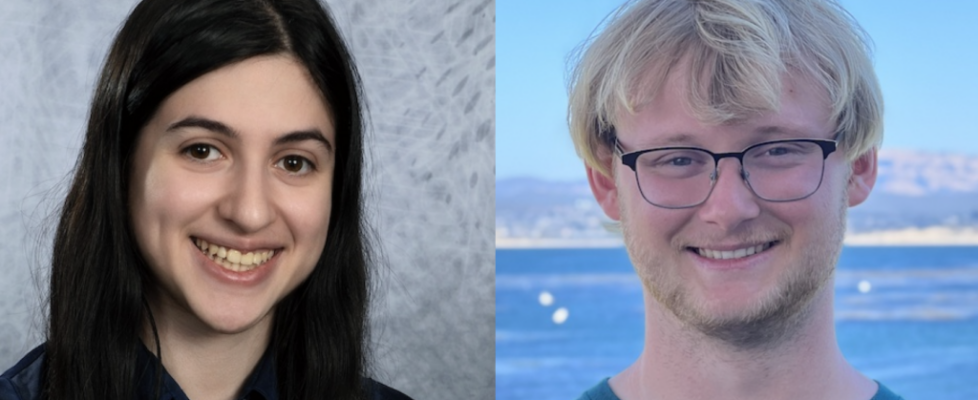
• UC Berkeley astrophysicist Natasha Abrams on Black Holes: Discovering the Invisible — Black holes are among the most extreme objects in the universe. They push the boundaries of our knowledge, holding many unsolved mysteries. This talk will explore black holes from “small” to enormous, including how to detect these invisible marvels. In the process, we will probe the very frontiers of astrophysics.
• Stanford marine biologist Will Johnson on The Structure of Kelp Forests — Kelp forests constitute one of the most diverse ecosystems on Earth, and they’re hidden right beneath the waves of our coastline. To research how these ecosystems function, we need to study what lives there. Come learn how scientific diving and modern genetics are helping us unravel the complex structure of kelp forests.
This interactive science presentation, free and unticketed, is produced by Wonderfest in partnership with Marin Science Seminar.
Marin Science Seminar [https://marinscienceseminar.com]

Sleep-Deprived Emotions – Jan 28
Insufficient sleep dramatically changes how we feel and think, about ourselves and about others. Even a single night of sleep loss elevates levels of anxiety, depression, and asocial behavior in healthy adults. If sleep loss is chronic, this association can develop into a clinical mental disorder. Since 40% of adults in the US suffer from chronic insufficient sleep, researchers need — and are finding — a better understanding of the interaction between sleep and socio-emotional well-being.
Our speaker is sleep expert Eti Ben-Simon, PhD, Research Scientist at The Center for Human Sleep Science, UC Berkeley.
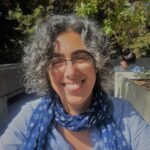
Dr. Eti Ben-Simon

Strong Aging – Jan 25
What can we do, today, to improve muscle strength and, accordingly, to increase healthy longevity, i.e., healthspan? It starts by understanding the science of strength and of muscle function, and then appreciating how muscle changes with aging. Ultimately, we find that healthspan increases with simple and effective evidence-based strategies for improving muscle health and function.
Our speaker, Dr. Greg Tranah, PhD, is Professor of Epidemiology & Biostatistics at UC San Francisco. He is also Senior Scientist at California Pacific Medical Center Research Institute.
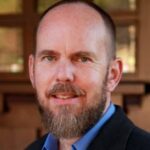
Dr. Greg Tranah
Berkeley Public Library [www.berkeleypubliclibrary.org]
Scavengers+DarkMatter+Biomolecules – Jul 16
Wonderfest Science Envoys are early-career researchers with special communication skills and aspirations. Following short talks on provocative modern science topics, these three Science Envoys will answer questions with insight and enthusiasm:
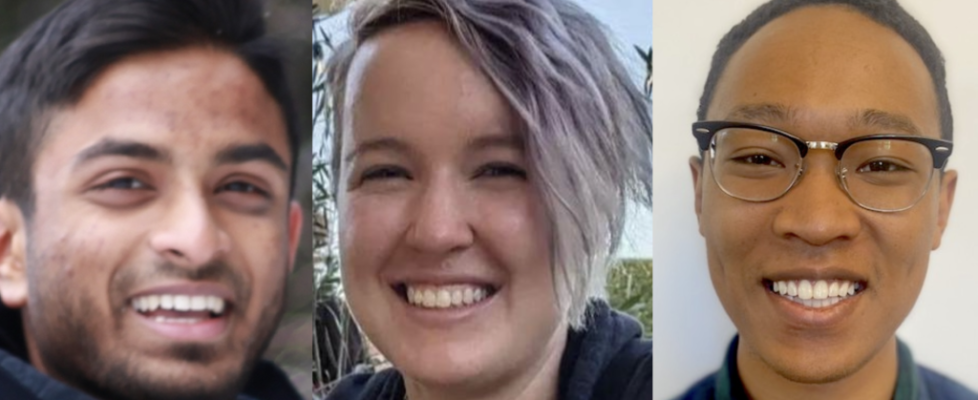
• Stanford ecologist Chinmay Sonawane on How Scavenging Animals Protect Human Health — Wildlife is rapidly disappearing globally. But why should we care? The loss of scavengers (consumers of already-dead animals) provides an intriguing example of how biodiversity loss has had, and will continue to have, profound consequences for human health.
• UC Berkeley physicist Bethany Suter on Direct Detection of Dark Matter — Ubiquitous, yet deeply mysterious, dark matter constitutes 85%(!) of the material universe. What do we know — and not know — of elusive dark matter particles? Novel laboratory materials may allow us to detect dark matter directly, shining light into the pervasive cosmic shadows.
• Stanford biophysicist Sean Waterton on Making Biomolecules from Electricity — Solar panels produce ever-more clean electricity. At the same time, human activity produces copious amounts of CO2. Modern research in synthetic biology allows us to use electricty and CO2 to create valuable molecules like fats and proteins — and, hopefully, more specialized molecules like medications.
This interactive science presentation, free and unticketed, is produced by Wonderfest in partnership with Marin Science Seminar.
Marin Science Seminar [https://marinscienceseminar.com]
What value does this free science experience have for you and, indirectly, for society? Accordingly, please consider making a donation to nonprofit Wonderfest via the Eventbrite box, below.
Life’s Code + Gut Feeling – May 28
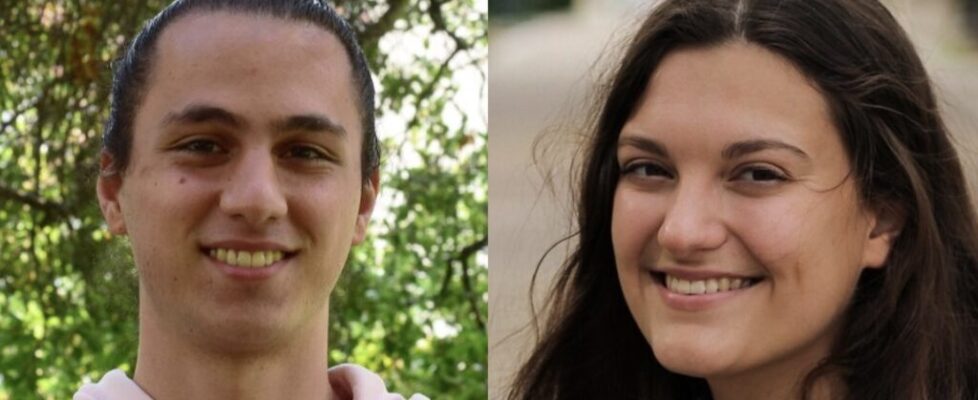
Wonderfest Science Envoys are early-career researchers with special communication skills and aspirations. Following short talks on provocative modern science topics, these two Science Envoys will answer questions with insight and enthusiasm:
• UC Berkeley plant biologist Enrico Calvanese on The Interpreters of Life’s Code — Proteins are molecular machines that enable all cellular life. How proteins are produced infuses our understanding of microbiology. New research proposes a novel understanding of how proteins come to exist, promising to open an entirely new dimension of cellular life.
• Stanford biophysicist Rachel Porter on The Bacterial Space Age — Like human communities, bacterial communities are shaped by the available food, water, and space. Researchers largely understand the importance of food and water for bacteria in the human digestive system. However, only now are we discovering the importance of spatial organization for bacteria within our gut microbiome.
This interactive science presentation, free and unticketed, is produced by Wonderfest in partnership with Marin Science Seminar.
Marin Science Seminar [https://marinscienceseminar.com]
What value does this FREE science experience have for you and, indirectly, for society? Accordingly, please consider making a donation to nonprofit Wonderfest via the Eventbrite box, below.
Finding the Wild – May 23
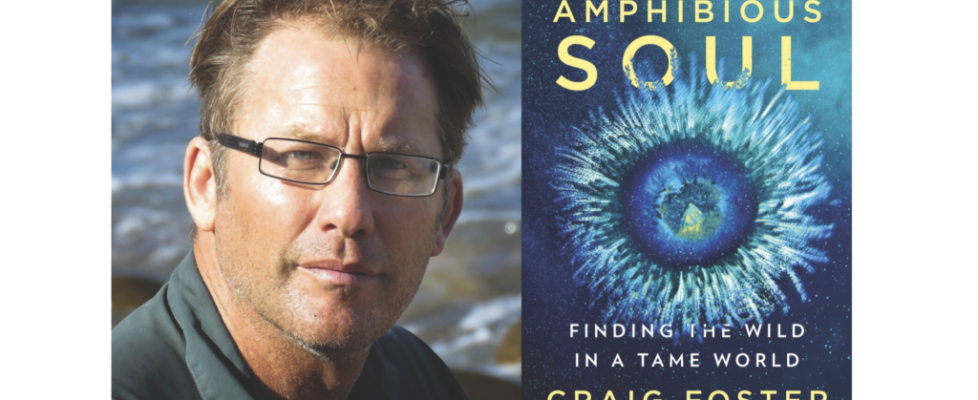
Naturalist Craig Foster has explored and studied some of Earth’s wildest environments. He has also experienced the demands of professional life in our big cities — experiences that might tend to deaden a capacity to appreciate natural beauty. Foster’s latest book, Amphibious Soul: Finding the Wild in a Tame World, vividly addresses the challenge of staying open to the wonders of nature. Of the book, Jane Goodall wrote, “[It] will transform how we think about being human … [and] inspire hope.” In this Commonwealth Club conversation, Foster will help us understand how to attend to earthly beauty and deepen our love for all living things.
Craig Foster is one of Earth’s leading nature filmmakers. Foster’s My Octopus Teacher won the 2021 Academy Award for Best Documentary. We can participate in this Commonwealth+Wonderfest event either in person or online.
DEEP RISING – May 19
The ocean floor of our “water planet” is vast — rich in biodiversity and dense in mineral wealth. A single organization, the International Seabed Authority, governs roughly half of this undersea territory, and that governance is scientifically and economically challenging, to say the least. Wonderfest joins Cameo Cinema for a special Science on Screen presentation of the documentary Deep Rising (71% FRESH at Rotten Tomatoes), narrated and co-produced by Jason Momoa. Post-screening Q&A with Stanford marine scientist Dr. Steve Palumbi will highlight the vital need for wise use — and protection — of the seabed as the common heritage of humankind.
Dr. Stephen Palumbi is Professor of Marine Sciences at Stanford University. Steve is also a Senior Fellow at Stanford’s Woods Institute for the Environment.
Dr. Steve Palumbi
For advance ticket purchase, please click the TICKETS link, below.
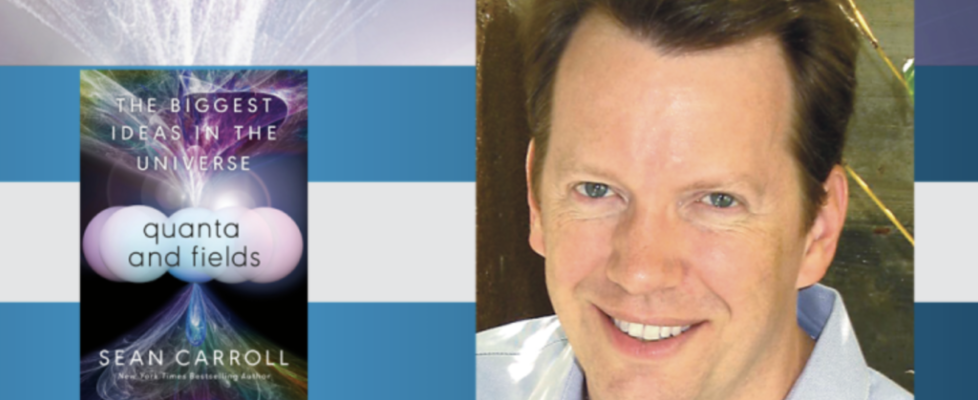
Quanta and Fields – May 14
Arguably, quantum field theory (QFT) presents humanity’s deepest insights into the rules of reality, i.e., into the laws of existence. QFT allows us to describe — with remarkable accuracy — the particles and forces that animate the cosmos, including the stuff of mind and body. Note that calling QFT a theory pays the highest scientific compliment: QFT has vast scope, and QFT is supported by an extraordinary amount of evidence.
Wonderfest and the Commonwealth Club present physicist Sean Carroll to discuss key ideas in his latest book, The Biggest Ideas In the Universe: Quanta and Fields. As in his first Biggest Ideas book (Space, Time, and Motion), Dr. Carroll goes beyond analogies to show how physicists really think about nature’s underlying principles.
The Commonwealth Club of California
Use the "Tickets" link (below) to access the Commonwealth Club's event webpage. During online ticket purchase, use discount code WONDERFESTPROMO for a ticket price reduction of $10, making this entire Sean Carroll online experience FREE.
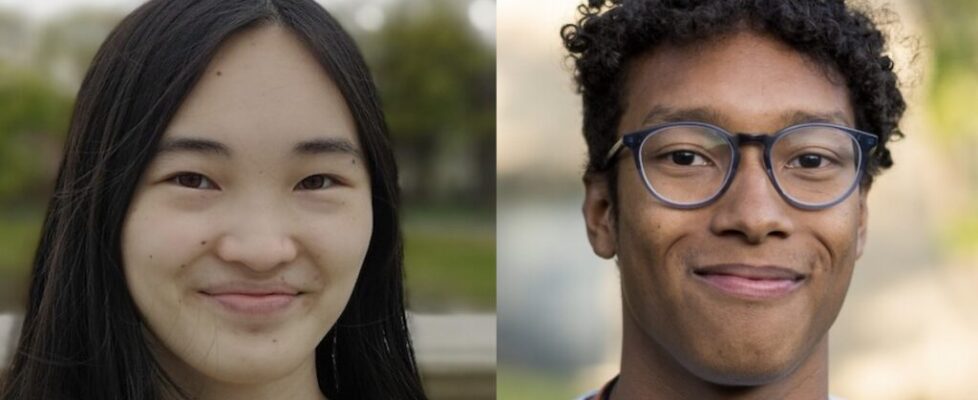
Communication; Growth – Apr 30
Wonderfest Science Envoys are early-career researchers with special communication skills and aspirations. Following short talks on provocative modern science topics, these two Science Envoys will answer questions with insight and enthusiasm:
• UC Berkeley psychologist Sophia Li on Imperfect Communication — As a communicator, I want to transfer information from my mind into the minds of listeners. Research shows that both listeners and uninvolved observers have overly positive perceptions of any communicator. They believe that the communicator knows more than s/he actually does, and has articulated thoughts better than s/he actually has.
• Stanford physicist Josh Tong on Growth and Form — Living creatures grow and transform their shape, to the awe of many scientists. What does it mean to grow? How do we compare an organism at different stages of its growth? Mathematics can help us find the way to understand this fundamental transformation.
This interactive science presentation, free and unticketed, is produced by Wonderfest in partnership with Marin Science Seminar.
Marin Science Seminar [https://marinscienceseminar.com]
What value does this FREE science experience have for you and, indirectly, for society? Accordingly, please consider making a donation to nonprofit Wonderfest via the Eventbrite box, below.
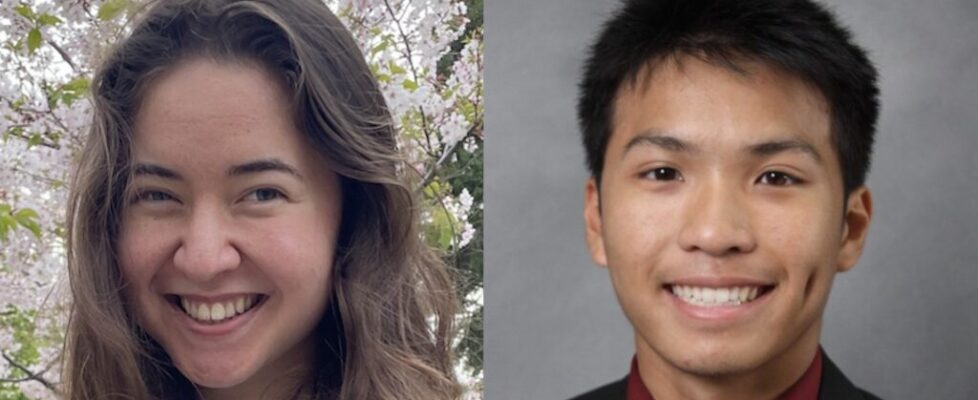
Verifying AI; Ultracold Atoms – Apr 16
Wonderfest Science Envoys are early-career researchers with special communication skills and aspirations. Following short talks on provocative modern science topics, these two Science Envoys will answer questions with insight and enthusiasm:
• Stanford computer scientist Teddi Worledge on Verifying AI with Attributed Sources — So-called large language models (LLMs) provide information and make judgments nearly everywhere — from online search engines to classrooms and medical clinics. But LLMs do make errors. Language model systems that attribute their sources can address this accuracy problem, as long as the attributions theselves are reliable!
• UC Berkeley physicist Matt Tao on What Ultracold Atoms Reveal — Atoms cooled to billionths of a degree can teach us much about the world. The wave nature of ultracold atoms allows interference experiments (interferometry) with astounding precision. Such tabletop interferometers even allow the study of gravity, nature’s weakest — but most pervasive — force, at minute scales.
This interactive science presentation, free and unticketed, is produced by Wonderfest in partnership with Marin Science Seminar.
Marin Science Seminar [https://marinscienceseminar.com]
What value does this free science experience have for you and, indirectly, for society? Accordingly, please consider making a donation to nonprofit Wonderfest via the Eventbrite box, below.
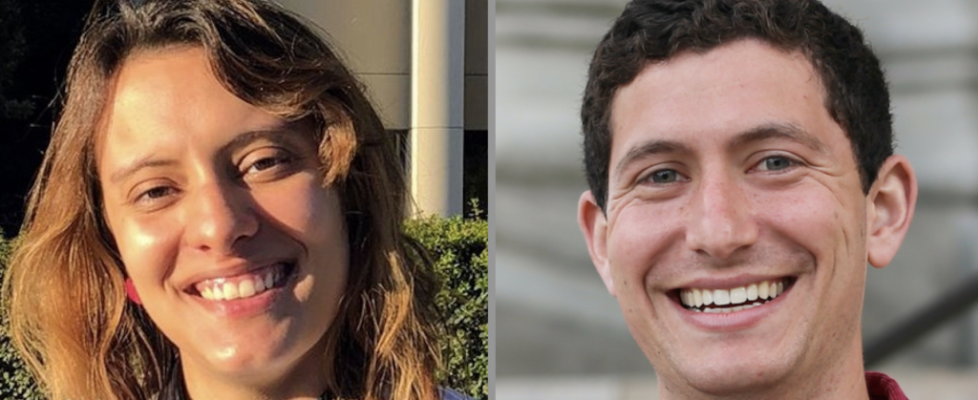
Biorhythms; Decarbonization – Apr 2
Wonderfest Science Envoys are early-career researchers with special communication skills and aspirations. Following short talks on provocative modern science topics, these two Science Envoys will answer questions with insight and enthusiasm:
• Stanford biologist Mila Pamplona-Barbosa on Biological Rhythms: From Ants to You — How can ants possibly organize their behavior? An ant colony can have hundreds to millions of individuals and, even with all that complexity, the colony still manages to get work done. How does this time-dependent self-organization happen? And what does this have to do with the internal timings of the human body?
• UC Berkeley climate policy scientist Ari Ball-Burack on Complexity in Controlling Greenhouse Gases — Social, technological, and economic systems are complex: they exhibit both balancing and reinforcing feedbacks, and they strongly interact. Wise policy can use this very complexity to advance the “decarbonization” of the atmosphere. Complexity-aware decarbonization policy addresses climate change at local, national, and global scales.
This interactive science presentation, free and unticketed, is produced by Wonderfest in partnership with Marin Science Seminar.
Marin Science Seminar [https://marinscienceseminar.com]
What value does this free science experience have for you and, indirectly, for society? Accordingly, please consider making a donation to nonprofit Wonderfest via the Eventbrite box, below.
BlackBerry Psych – Mar 26
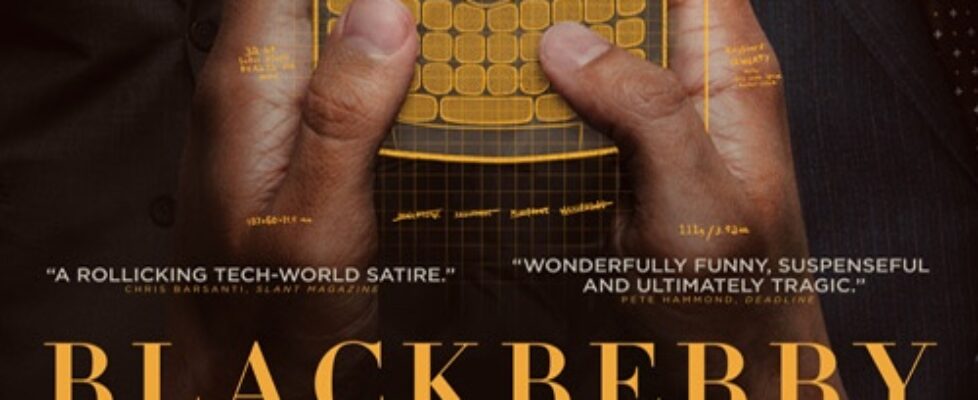
How and why do corporations decline? BlackBerry (98% FRESH at Rotten Tomatoes) offers a tragicomic portrait of decline in Earth’s foremost business smartphone maker, 1999-2016. Following this special Science on Screen presentation of BlackBerry, UC Berkeley researcher Dr. Don Moore will illuminate the psychological challenges that face all businesses and, in fact, virtually all human relations.
Psychologist Dr. Donald A. Moore is Professor and Chair in Leadership & Communication at UC Berkeley’s Haas School of Business. His most recent book is Perfectly Confident: How to Calibrate Your Decisions Wisely.
Dr. Don A. Moore, UC Berkeley
Please pre-purchase tickets for this Science on Screen event via the "TICKETS" link below.
Warped Universe – Oct 30
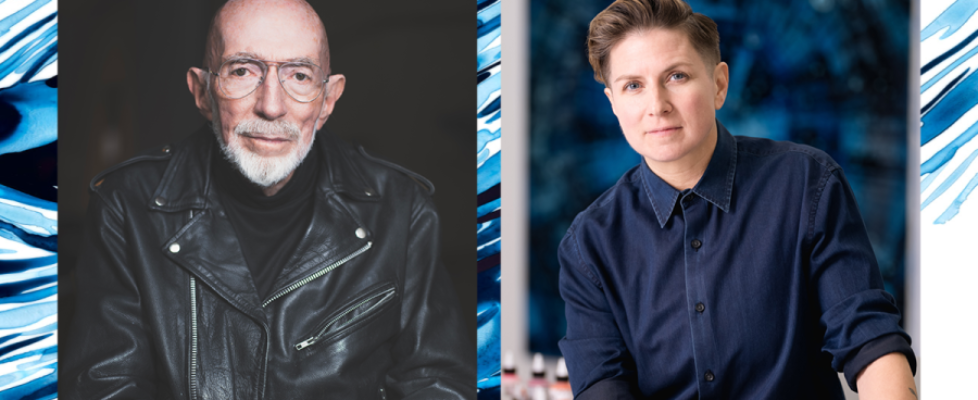
The warping of space becomes noticeable near small massive objects — black holes, in particular. Beyond “noticeable,” that curvature becomes beautiful when rendered with the skilled artist’s hand and described with the poetic physicist’s verse. Lia Halloran and Kip Thorne team up to describe an odyssey through black holes, wormholes, time travel, and gravitational waves. In fact, that is the subtitle of their soon-to-be-published book, The Warped Side of Our Universe. Kirkus Reviews calls the book “Beautiful art in the service of cutting-edge astrophysics.”
Award-winning artist Lia Halloran is Associate Professor and Chair of the Chapman University Art Department. Nobel Prize-winning physicist Kip Thorne is Emeritus Professor of Physics at Caltech. These two authors will be in conversation with the Commonwealth Club’s George Hammond.
Visit the Commonwealth Club event webpage (link below) to purchase tickets for this in-person event. During the final steps of ticket acquisition, use code WonderfestPromo for a $10 discount.

Joy of Science – Oct 16
How do the methods of science enrich the world for us? The latest book by physicist Jim Al-Khalili, The Joy of Science, invites us to engage with the world as scientists do. It discusses the nature of truth and uncertainty, the role of doubt, the pros and cons of simplification, the value of guarding aginst bias, the importance of evidence-based thinking — all ideas that can empower us to think more objectively, see through the fog of our preexisting beliefs, and lead a more fulfilling life.
Dr. Jim Al-Khalili is Distinguished Professor of Theoretical Physics at the University of Surrey in England. Having written 14 popular books and having earned the Stephen Hawking Medal for Science Communication, he is also a university chair in the public engagement in science. Dr. Al-Khalili will discuss The Joy of Science with Kishore Hari, Science Correspondent at Tested.com.
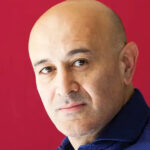
Dr. Jim Al-Khalili
Please register for this event with the Commonwealth Club via the "Tickets" link, below. Use discount code WonderfestPromo for $10 off, rendering that ticket completely FREE. Upon registration, you will receive an email containing a link to this live-stream event.
Creating/Covering Science – Sep 5
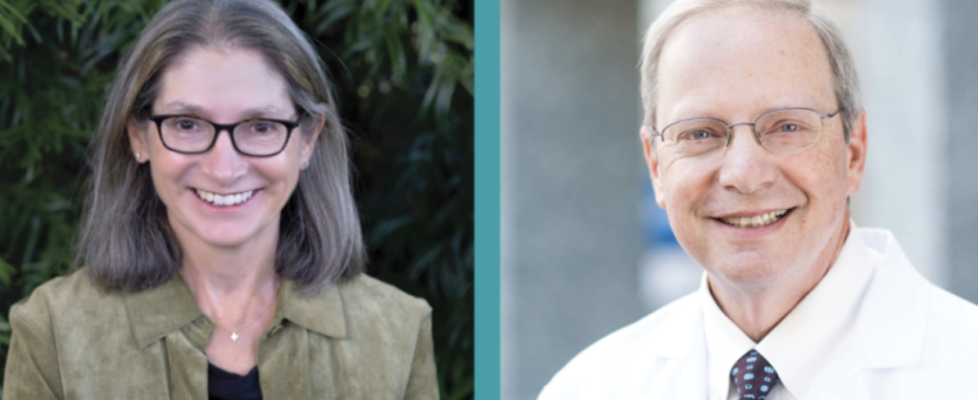
The married team of Katie Hafner and Robert Wachter understand both crucial sides of science: creativity and communication. Wonderfest joins the Commonwealth Club for a doubly-fascinating interview that explores the talents of both team members. Katie Hafner will discuss her groundbreaking books and her popular Lost Women of Science podcast; Dr. Robert Wachter will discuss his work in guiding the digital transformation of healthcare and in coping with the COVID crisis. [Note that this program takes place both in person and online; discounted tickets for either form of experience must be reserved via the Commonwealth Club website presented below.]
Journalist Katie Hafner is Host and Co-Executive Producer of Lost Women of Science, and author of Mother Daughter Me and The Boys. Physician Robert Wachter, Professor and Chair of Medicine at UC San Francisco, is author of Understanding Patient Safety and The Digital Doctor. They will be in conversation with the Commonwealth Club’s George Hammond.
Visit the Commonwealth Club event website (below) for info about the two types of tickets: in-person and online. During the final steps of ticket acquisition, use discount code WonderfestPromo for $10 off. (That price reduction renders the online ticket entirely FREE.)