How a Shark Thinks – Nov 3
[wf_display_event_info]
[wf_display_event_info]
[wf_display_event_info]
[wf_display_event_info]
It’s a science double feature! Wonderfest presents two half-hour talks — each followed by Q&A (of course) — by outstanding UC Berkeley researchers:
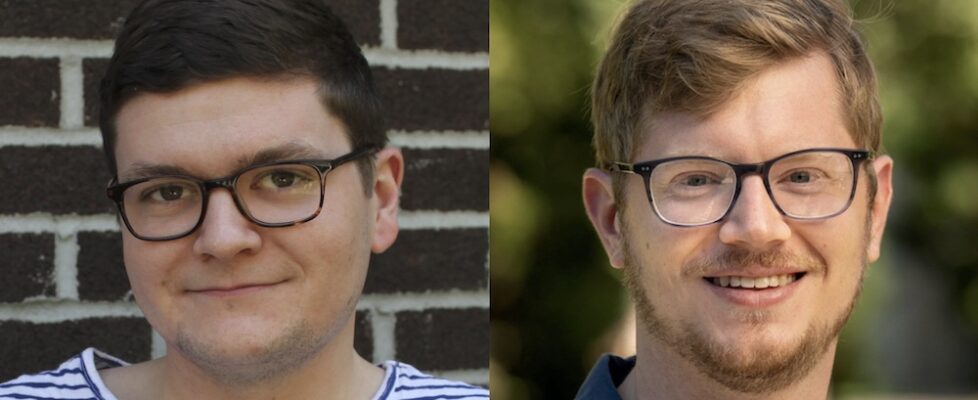
• Biologist Dr. Stephen Gaughran on The Genetics of Extinction (and Survival) — Species are now disappearing faster than at any point in the last several million years. Decades of conservation and management has made real progress in protecting endangered species, yet we still struggle to understand why some recover while others go extinct. By combining new genomic technologies with evolutionary theory, we are entering a new era of species conservation — one where we can use a species’ evolutionary past to plan for its future survival.
• Chemist Dr. Colin Gould on Building Next-Generation Medicines with Light & Electricity — Modern medicines have revolutionized treatments for cancer, heart disease, chronic illness, and more. These therapeutics often consist of carefully engineered organic molecules, which are designed in an iterative process of chemical synthesis and biological testing. Alternative energy sources, such as light and electricity, can help to speed up drug discovery, while also making manufacturing more environmentally friendly.
[wf_display_event_info]
[wf_display_event_info]
Diet, exercise, connection, and sleep are four key determining factors in human health. Sleep, in particular, plays a critical role in recovery and resilience. Fortunately, recent eye-opening (*ahem*) research can help us harness sleep science to improve everyday life and long-term health.
Our Wonderfest speaker, Greg Tranah, PhD, is Professor of Epidemiology & Biostatistics at UC San Francisco. He is also Senior Scientist at California Pacific Medical Center Research Institute.
[wf_display_event_info]
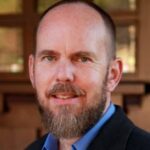
What can we do, today, to improve muscle strength and, accordingly, to increase healthy longevity, i.e., healthspan? It starts by understanding the science of strength and of muscle function, and then appreciating how muscle changes with aging. Ultimately, we find that healthspan increases with simple and effective evidence-based strategies for improving muscle health and function.
Our speaker, Dr. Greg Tranah, PhD, is Professor of Epidemiology & Biostatistics at UC San Francisco. He is also Senior Scientist at California Pacific Medical Center Research Institute.
[wf_display_event_info]
Wonderfest Science Envoys are early-career researchers with special communication skills and aspirations. Following short talks on provocative modern science topics, these two Science Envoys will answer questions with insight and enthusiasm:
• UC Berkeley plant biologist Enrico Calvanese on The Interpreters of Life’s Code — Proteins are molecular machines that enable all cellular life. How proteins are produced infuses our understanding of microbiology. New research proposes a novel understanding of how proteins come to exist, promising to open an entirely new dimension of cellular life.
• Stanford biophysicist Rachel Porter on The Bacterial Space Age — Like human communities, bacterial communities are shaped by the available food, water, and space. Researchers largely understand the importance of food and water for bacteria in the human digestive system. However, only now are we discovering the importance of spatial organization for bacteria within our gut microbiome.
This interactive science presentation, free and unticketed, is produced by Wonderfest in partnership with Marin Science Seminar.
[wf_display_event_info]
[wf_display_event_info]
Next Scientist is a new Wonderfest series of online presentations. Every Next Scientist Zoom consists of two 30-minute presentations (including 10 minutes of Q&A), each featuring a young researcher describing next-level science:
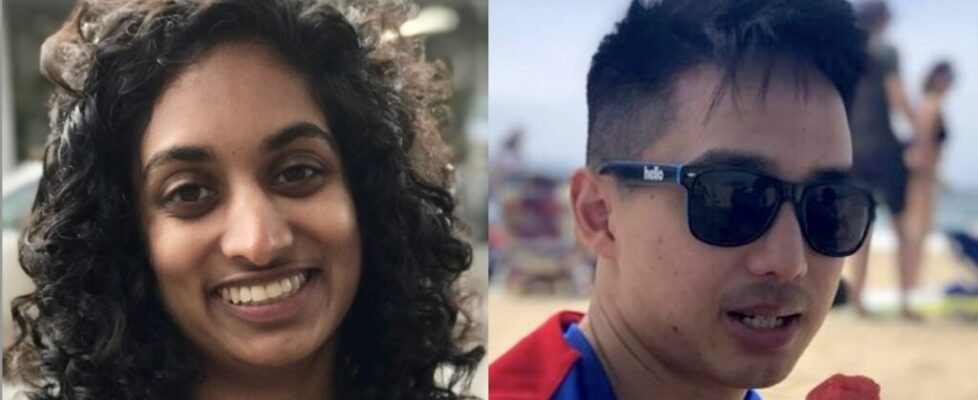
UC Berkeley seismologist Sarina Patel on Earthquake Science Using Crowdsourced Data from Smartphones — MyShake is a free citizen-science smartphone app that delivers earthquake early warnings(!) to users in California, Oregon, and Washington. It also uses a phone’s vibration sensor to record earthquake motion for scientific analysis. How can the gadget in your pocket contribute to earthquake early warning, shake-hazard mapping, and structural-health monitoring?
Exelixis medical chemist Trevor Chang on Advances in Cancer Treatment: Synthetic Lethality — Chemotherapy is a standard component of both the treatment and study of cancer. Conventional chemotherapeutic agents are toxic to cells, underscoring the continued focus on precision medicines. Research in synthetic lethality aims to develop medicines that target specific genetic mutations expressed only in cancer cells while sparing healthy cells.
[wf_display_event_info]
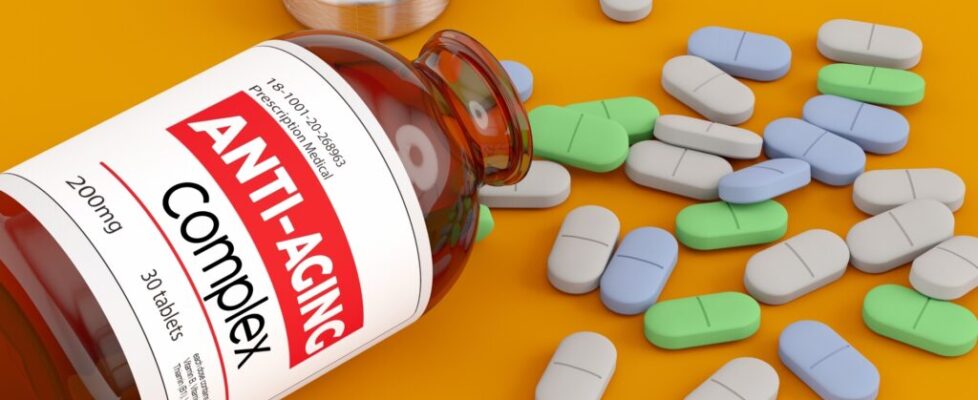
How did society enable the distribution of drugs and supplements — principally in the form of pills — to billions of people? How, in particular, did “anti-aging treatments” come about? Can vitamins be efficacious against aging? Finally, what is the promise of recent supplements — developed based on our understanding of cellular biology — that influence aging in cells and model organisms, mainly mice?
Our speaker, Dr. Steve Cummings, is Professor Emeritus of Medicine, Epidemiology, and Biostatistics at UCSF. Dr. Cummings directs the San Francisco Coordinating Center, having designed and led many of the most important medical studies of human aging.
[wf_display_event_info]
Modern insights into wise exercise, sleep, and diet are enhancing healthspan, the years of healthy life that one actually enjoys. This presentation focuses on human clinical data with actionable recommendations for lifestyle choices that can maximize the healthy years of life.
Our speaker, Dr. Greg Tranah, is Professor of Epidemiology and Biostatistics at UC San Francisco. He is also Director of Genetic Research at California Pacific Medical Center.
[wf_display_event_info]
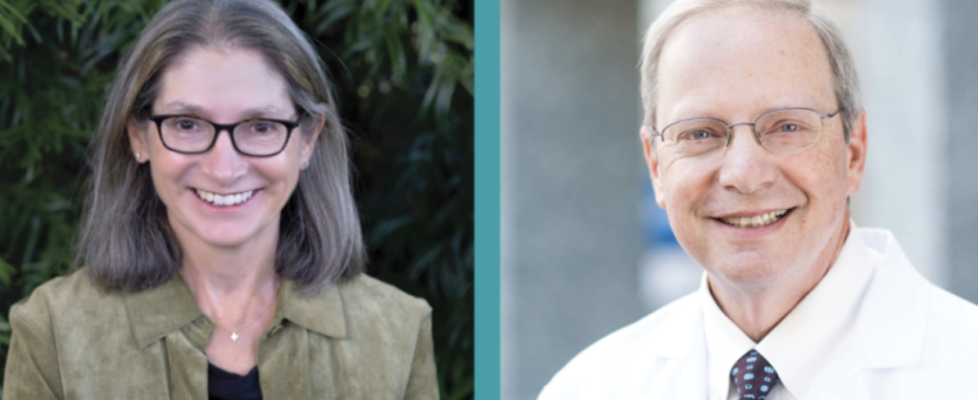
The married team of Katie Hafner and Robert Wachter understand both crucial sides of science: creativity and communication. Wonderfest joins the Commonwealth Club for a doubly-fascinating interview that explores the talents of both team members. Katie Hafner will discuss her groundbreaking books and her popular Lost Women of Science podcast; Dr. Robert Wachter will discuss his work in guiding the digital transformation of healthcare and in coping with the COVID crisis. [Note that this program takes place both in person and online; discounted tickets for either form of experience must be reserved via the Commonwealth Club website presented below.]
Journalist Katie Hafner is Host and Co-Executive Producer of Lost Women of Science, and author of Mother Daughter Me and The Boys. Physician Robert Wachter, Professor and Chair of Medicine at UC San Francisco, is author of Understanding Patient Safety and The Digital Doctor. They will be in conversation with the Commonwealth Club’s George Hammond.
[wf_display_event_info]
[wf_display_event_info]