Secrets of the Sleeping Brain, Dec 12
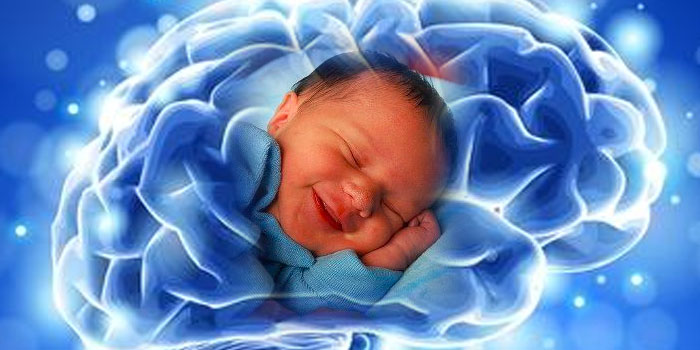
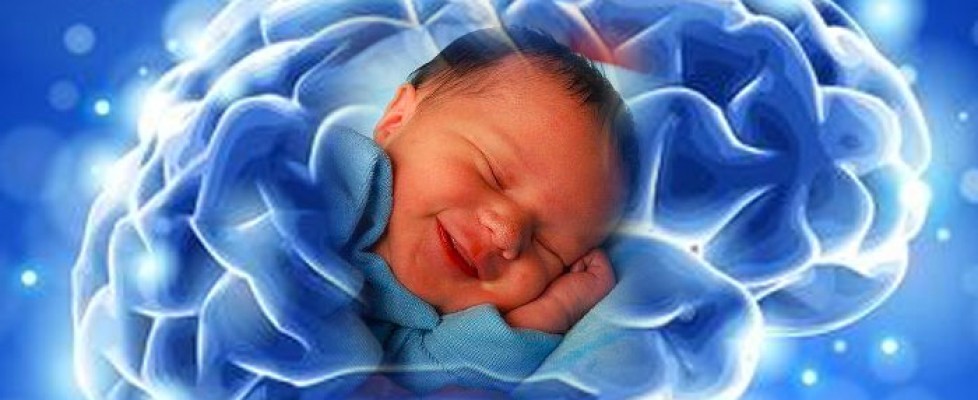
We spend one third of our lives asleep, yet doctors and scientists still have no complete understanding as to why. It is one of the great scientific mysteries. Sleep researcher and UC Berkeley Professor, Matthew Walker, will describe new discoveries suggesting that sleep is a highly active process, essential for improving brain functions including learning, memory, creativity, and emotional regulation.
- WHAT: Secrets of the Sleeping Brain
- WHO: Matthew A. Walker, Associate Professor of Psychology, UC Berkeley
- WHEN: 8:00 PM, Friday, December 12, 2014 (with wine and light food reception at 7:00 PM)
- WHERE: Chabot Space & Science Center, 10000 Skyline Blvd., Oakland CA 94619
- HOW: Purchase tickets here: <http://wonderfest.org/sleeping-brain-tickets>
- WHY: Because we’re curious creatures.
Wonderfest works every day to promote the scientific outlook. For as little as $1/month, why not become a Wonderfest Patron? As the Medici family were patrons of popular art in old Italy, you can become a patron of popular science and rationality in the modern Bay Area. (And you’ll get that tax-deduction that the Medici never did!) Please become a regular supporter of Wonderfest, and help enlarge the concept of scientific community.
Wonderfest works every day to promote the scientific outlook. For as little as $1/month, why not become a Wonderfest Patron? As the Medici family were patrons of popular art in old Italy, you can become a patron of popular science and rationality in the modern Bay Area. http://patreon.com/wonderfest (And you’ll get that tax-deduction that the Medici never did!) Please become a regular supporter of Wonderfest, and help enlarge the concept of scientific community.
This Christmas, shop on Amazon Smile. It doesn’t cost you a dime extra, a small percent will go to support Wonderfest and science! http://amazon.wonderfest.org.
Watch more videos: http://videos.wonderfest.org
Join us on:
http://facebook.com/wonderfest
http://twitter.com/wonderfest



 What if our soundest, most reasonable judgments are beyond our control? Are the feelings of being rational and having free will generated by conscious decisions or involuntary brain mechanisms? Is there a way to resolve the conflict between our innate biology and our traditional beliefs? Dr. Robert A. Burton, author of A Skeptic’s Guide to the Mind, reveals what neuroscience can (and cannot) tell us about ourselves.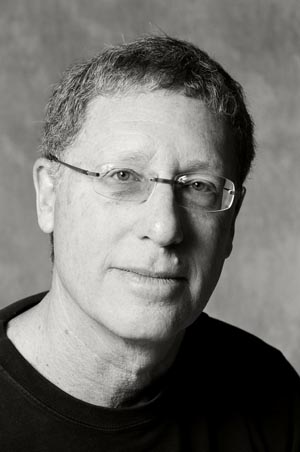

 Who’s your (ancient) daddy? Did he walk upright? Could he control fire? Did he have a brow ridge that wouldn’t quit?! Then maybe he was a Homo of the erectus — not so sapient — type. Many new Homo erectus specimens have been added to the global repository in the past decades, and many new interpretations have followed. It is more that most can easily digest. Come join professor Henry Gilbert, discoverer of the
 Come laugh with Dr. Norm Goldblatt, physicist and laser engineer. He’ll take you on a tour of his crazy world that unites left and right brain. Come one come all, young or old. NOT for geeks only. Everyone will enjoy thinking and giggling. Laugh AT him or WITH him; he doesn’t care.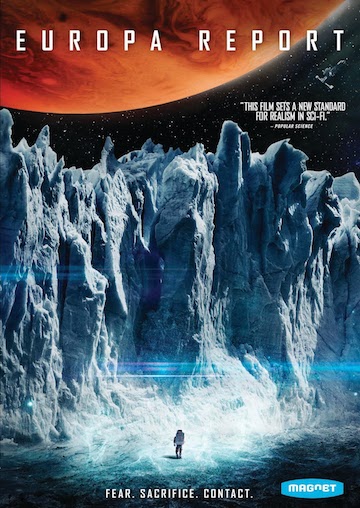
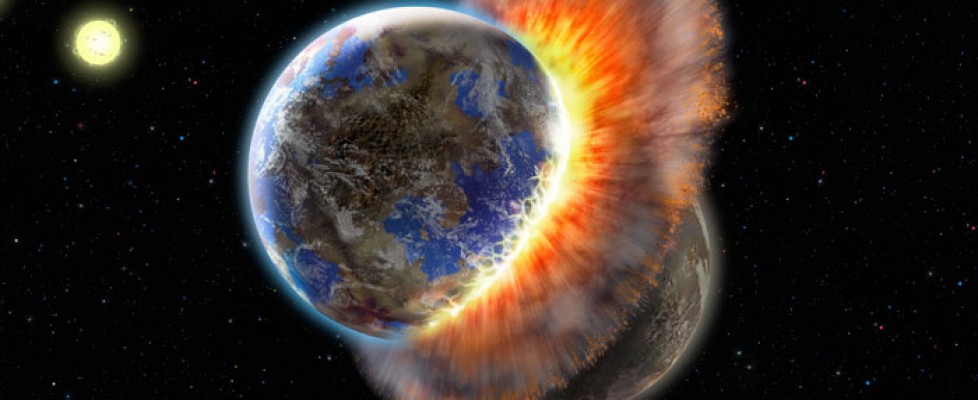
 Planet Earth is constantly being struck by interplanetary debris: fine dust, rocks, boulders (big enough to outshine the Sun when they die), asteroids, comets, and even small stray planets. Some of these events offer glorious night-time views, others can cause planetary annihilation. Please join Dr. Zahnle as he explores the glories and the threats … when worlds collide.