
Cosmology & Evolution – Apr 14
Wonderfest Science Envoys are early-career researchers with enhanced communication skills and aspirations. Following short talks on provocative modern science topics, these two Science Envoys will answer questions with insight and enthusiasm:
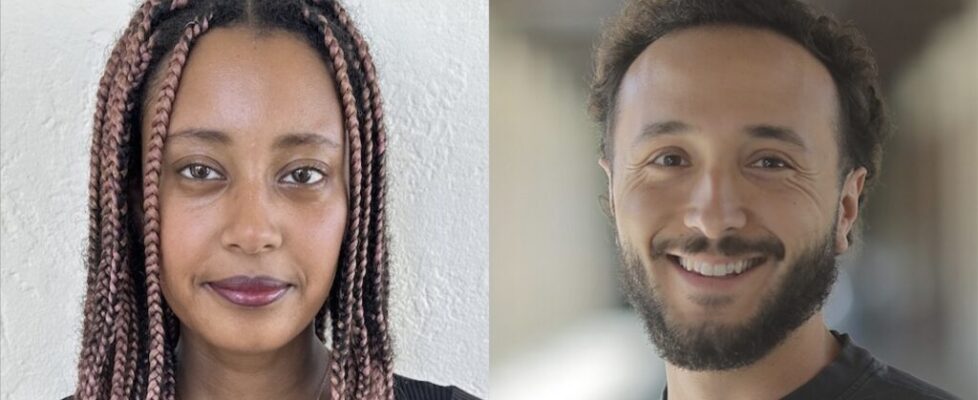
• Stanford physicist Mahlet Shiferaw on Learning Cosmology from Galaxies — The Universe is shaped by an invisible “cosmic web” of dark matter that guides where galaxies form. By comparing observations of galaxies to predictions from models, we can probe the nature of dark matter and dark energy. Cosmologists are now developing new modeling and inference techniques to unlock even more information from upcoming galaxy surveys.
• Stanford biologist Sebastian Somolinos on Give Evolution a Chance — When was the last time you watched evolution happen? Evolution is nature’s most powerful problem solver, yet creatures like horseshoe crabs remind us that it can also be slow and stubbornly conservative. To unlock evolution’s full creative potential, and to appreciate evolution more fully, we must learn how to accelerate it. We need to give evolution a chance.
This interactive science presentation, free and unticketed, is produced by Wonderfest in partnership with Marin Science Seminar.
Marin Science Seminar [https://marinscienceseminar.com]
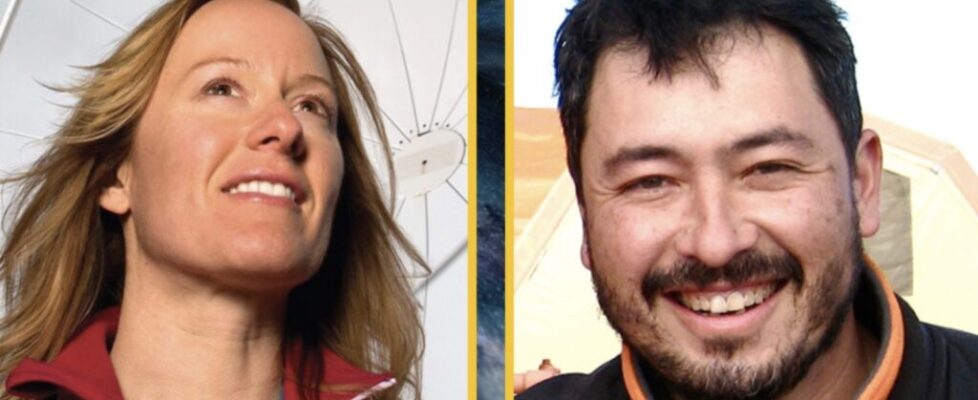
“Hail Mary” Science – Mar 26
Commonwealth Club World Affairs of California and the SETI Institute
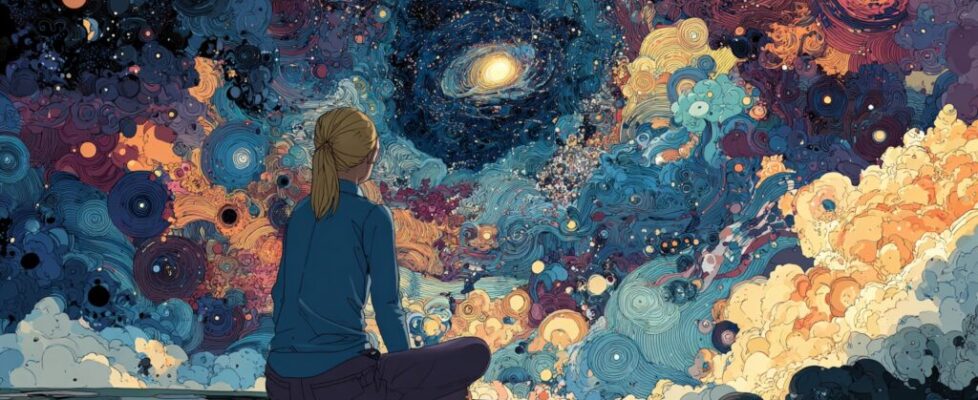
Cosmic Life, Human Heart – Mar 24
Dr. Maggie Turnbull

Pulsars & Blindness – Mar 10
Wonderfest Science Envoys are early-career researchers with enhanced communication skills and aspirations. Following short talks on provocative modern science topics, these two Science Envoys will answer questions with insight and enthusiasm:
• Stanford physicist Maya Beleznay on Weighing Black Widow Pulsars — What would Robert Oppenheimer and a modern physicist have in common? Neither could tell you how many particles can fit in a city-size ball before collapsing into a black hole! Some neutron stars in our galaxy teeter on the edge of this maximum theoretical density. Observations of such “black widow pulsars” allow us to explore a regime of physics that cannot be probed in a lab on Earth.
• UC Berkeley vision scientist Lawrence Man on Retinal Remodeling in Degenerative Blindness — As our eyes’ light-sensitive cells begin to die, downstream retinal neurons undergo physiological changes. Unfortunately, this neural remodeling negatively affects the electrical properties of neurons, interfering with vision. Dedicated researchers are developing strategies and restorative technologies to overcome this retinal remodeling.
This interactive science presentation, free and unticketed, is produced by Wonderfest in partnership with Marin Science Seminar.
Marin Science Seminar [https://marinscienceseminar.com]
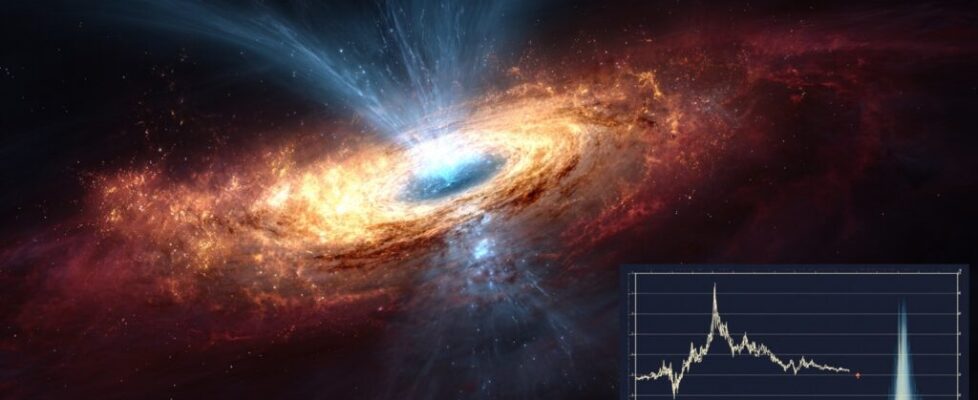
Multi-Messenger Astronomy – Feb 24
Dr. Raffaella Margutti
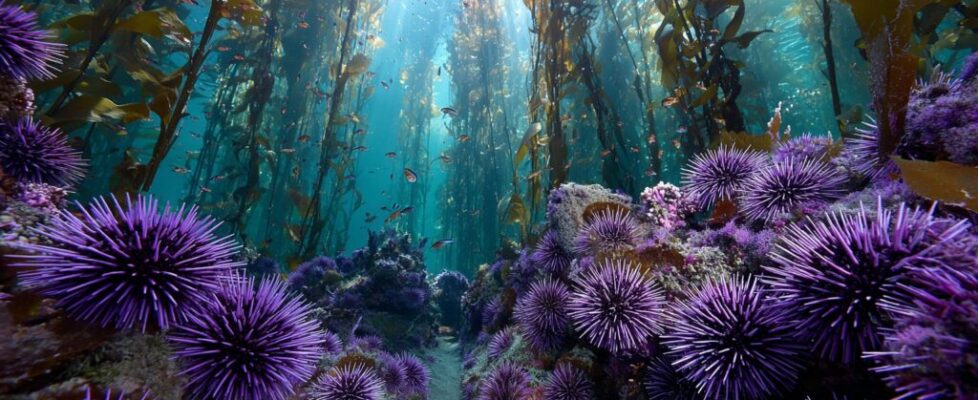
Sea Zombies – Feb 10
Dr. Daniel Okamoto
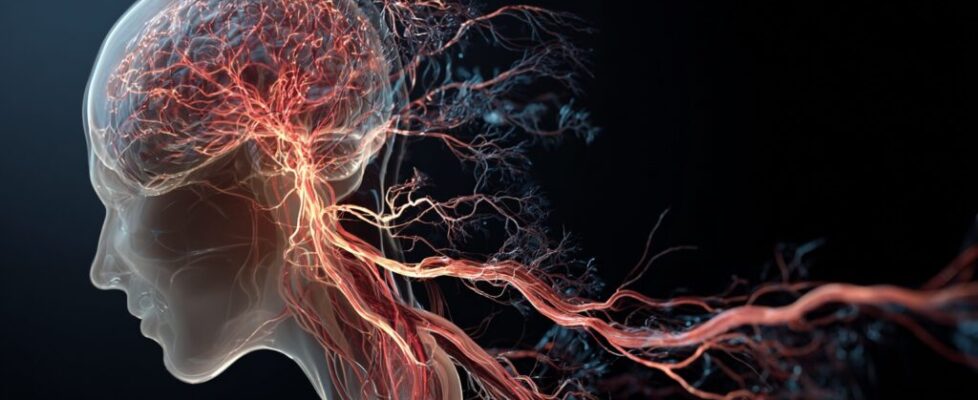
Physiology of Consciousness – Jan 27
Dr. Art Wallace
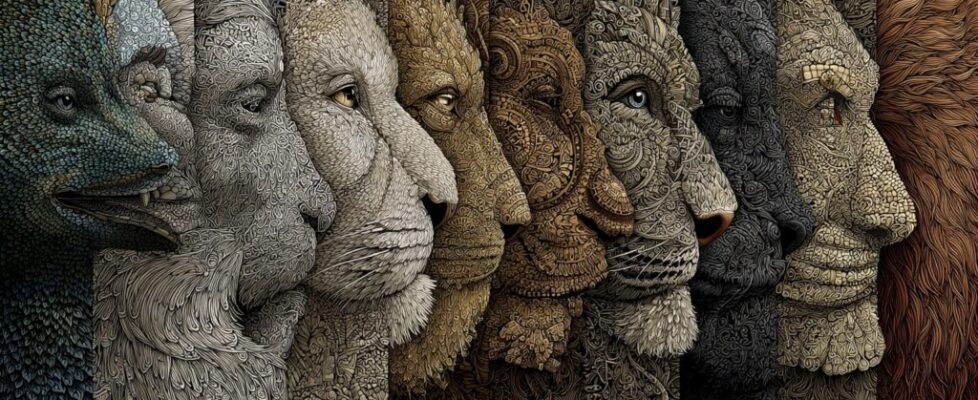
Evolution of Consciousness – Jan 13
Dr. Mariel Goddu